
Accounting Software for Businesses: Simplify Financial Management
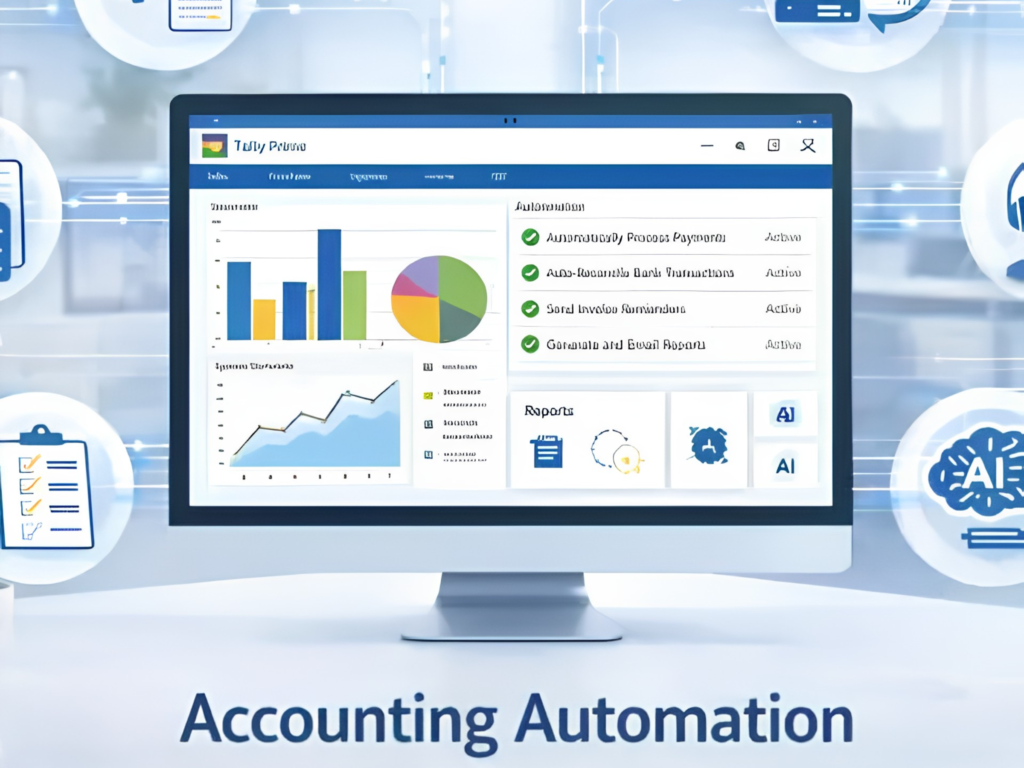
Accounting software helps businesses simplify and automate their financial management by bringing all accounting activities into one centralized platform. From recording daily transactions and managing invoices to tracking expenses and generating financial reports, it eliminates the need for manual bookkeeping and reduces the risk of costly errors.
Whether you’re running a startup, a small business, or a growing enterprise, accounting software provides real-time insights into your financial performance, helping you stay organized, improve cash flow, and make informed business decisions. By automating routine accounting tasks, businesses can save valuable time, ensure financial accuracy, maintain compliance, and focus more on growth instead of paperwork.
What is Accounting Software?
Accounting software is a digital solution that helps businesses manage their financial operations more efficiently by automating everyday accounting tasks. It simplifies processes such as bookkeeping, invoicing, expense tracking, accounts payable, accounts receivable, bank reconciliation, and financial reporting, all from a single, centralized platform.
By reducing manual data entry and minimizing errors, accounting software helps businesses maintain accurate financial records, improve cash flow management, and save valuable time. Many modern accounting solutions also integrate seamlessly with ERP systems, payroll software, banking platforms, and other business applications, providing a complete and connected approach to financial management. This enables businesses to gain better financial visibility, streamline operations, and make informed decisions with confidence.
Why Businesses Need Accounting Software
Accounting software helps businesses streamline their financial operations, improve accuracy, and gain better control over their finances.
It enables organizations to:
Record Financial Transactions Accurately – Capture and organize all financial transactions in one place, ensuring accurate records and reducing the risk of manual errors.
Generate Invoices Quickly – Create professional invoices in minutes, track payments, and manage outstanding receivables more efficiently.
Track Business Expenses – Monitor day-to-day expenses, categorize spending, and gain better visibility into where your business is investing its resources.
Monitor Cash Flow – Keep track of money coming in and going out with real-time cash flow insights, helping maintain healthy business finances.
Prepare Financial Reports – Generate essential reports such as profit and loss statements, balance sheets, and cash flow reports to support informed business decisions.
Improve Tax Compliance – Maintain accurate financial records, simplify tax calculations, and prepare for audits and tax filings with greater confidence.
By automating routine accounting tasks and providing real-time financial insights, accounting software helps businesses improve efficiency, maintain financial transparency, strengthen compliance, and build a solid foundation for sustainable growth.
Key Features of Accounting Software
1. Bookkeeping
Automatically record and organize daily financial transactions, ensuring accurate and up-to-date financial records while reducing manual data entry.
2. Invoicing
Create professional invoices, send them to customers, track payment status, and manage outstanding payments with ease.
3. Expense Management
Monitor business expenses, categorize spending, and gain better control over costs to improve financial planning and budgeting.
4. Accounts Payable and Receivable
Manage supplier payments, customer invoices, outstanding balances, and payment schedules efficiently to maintain healthy cash flow.
5. Financial Reporting
Generate essential financial reports such as balance sheets, profit and loss statements, cash flow reports, and other business insights to support informed decision-making.
These powerful features help businesses simplify accounting processes, improve financial accuracy, maintain better cash flow, and make smarter financial decisions with confidence.
Benefits of Accounting Software
1. Improved Financial Accuracy
Automate bookkeeping and financial calculations to reduce manual errors and ensure your financial records are accurate and reliable.
2. Time Savings
Simplify routine accounting tasks such as invoicing, expense tracking, reconciliations, and reporting, allowing your team to focus on more strategic business activities.
3. Better Cash Flow Management
Monitor income, expenses, receivables, and payables in real time to maintain healthy cash flow and make informed financial decisions.
4. Regulatory Compliance
Maintain organized financial records, simplify tax preparation, and stay compliant with accounting standards and regulatory requirements, making audits easier to manage.
5. Smarter Business Decisions
Access real-time financial reports and business insights to evaluate performance, identify growth opportunities, manage costs, and plan for the future with confidence.
By automating financial processes and providing complete visibility into your business finances, accounting software helps organizations improve efficiency, strengthen financial control, and support long-term business growth.
Industries Using Accounting Software
Accounting software is widely used across businesses of all sizes to simplify financial management, improve accuracy, and support informed decision-making.
Small Businesses – Manage day-to-day accounting, invoicing, expenses, and financial reporting without the complexity of manual bookkeeping.
Retail Stores – Track sales, inventory costs, supplier payments, and cash flow while maintaining accurate financial records.
Manufacturing Companies – Monitor production costs, inventory expenses, payroll, and financial performance to improve operational efficiency.
Healthcare Organizations – Manage patient billing, operational expenses, payroll, and financial reporting while ensuring compliance with industry regulations.
Construction Firms – Track project costs, contractor payments, budgets, and profitability across multiple projects with greater accuracy.
Educational Institutions – Handle fee collection, payroll, budgeting, accounting, and financial reporting in a streamlined and organized manner.
Professional Service Providers – Simplify client invoicing, expense management, payroll, and financial reporting to maintain healthy business finances.
From startups to large enterprises, nearly every business can benefit from accounting software. By automating financial processes and providing real-time insights, it helps organizations improve efficiency, maintain financial accuracy, and build a strong foundation for sustainable growth.
Signs Your Business Needs Accounting Software
As your business grows, managing finances manually can become time-consuming and prone to errors. If you’re experiencing any of the following challenges, it may be time to invest in accounting software:
Financial Records Are Maintained Manually – Relying on spreadsheets or paper-based records increases the risk of errors, duplicate entries, and misplaced financial information.
Invoice Management Is Time-Consuming – Creating invoices, tracking payments, and following up on overdue accounts manually can slow down your business operations.
Cash Flow Is Difficult to Monitor – Without real-time visibility into income and expenses, managing cash flow and making informed financial decisions becomes more challenging.
Tax Preparation Takes Too Much Time – Organizing financial data for tax filing can be stressful and time-consuming when records are scattered or maintained manually.
Financial Reports Are Often Delayed – Slow reporting makes it difficult to evaluate business performance, identify trends, and make timely strategic decisions.
Accounting software helps solve these challenges by automating financial processes, centralizing financial data, and providing real-time insights into your business performance. This enables businesses to improve accuracy, save time, strengthen financial control, and make better decisions with confidence.
How to Choose the Right Accounting Software
Selecting the right accounting software is essential for maintaining accurate financial records, improving efficiency, and supporting your business as it grows. Before making your decision, consider the following factors:
User-Friendly Interface – Choose software that is easy to navigate, allowing your finance team to manage daily accounting tasks with minimal training.
Automated Bookkeeping – Look for features that automate transaction recording, expense categorization, invoicing, and reconciliations to reduce manual work and improve accuracy.
GST/VAT and Tax Support – Ensure the software supports GST, VAT, and other applicable tax regulations, making tax calculations, filing, and compliance simpler.
ERP Integration – Select a solution that integrates seamlessly with your ERP, payroll, inventory, CRM, and other business systems to create a unified financial ecosystem.
Bank Reconciliation – Choose software that automatically matches bank transactions with your accounting records, helping identify discrepancies and save valuable time.
Financial Reporting Tools – Look for real-time dashboards and customizable reports, including profit and loss statements, balance sheets, cash flow reports, and budgeting insights.
Cloud Access and Data Security – A cloud-based platform provides secure access to financial data from anywhere while offering encryption, regular backups, and role-based access controls to protect sensitive information.
The right accounting software should not only meet your current financial requirements but also scale with your business, helping you streamline accounting processes, maintain compliance, and support long-term financial growth.
Future of Accounting Software
Accounting software is evolving rapidly as businesses embrace intelligent technologies to simplify financial management and improve decision-making. Modern accounting solutions are becoming more automated, data-driven, and accessible, helping organizations manage their finances with greater accuracy and efficiency.
Key trends shaping the future include:
AI-Powered Bookkeeping – Artificial intelligence can automatically record transactions, categorize expenses, detect errors, and reduce manual bookkeeping, saving time and improving accuracy.
Automated Invoice Processing – Create, send, receive, and process invoices automatically while tracking payments and reducing administrative work.
Cloud-Based Accounting Platforms – Access financial data securely from anywhere, enabling real-time collaboration between finance teams, business owners, and accountants.
Predictive Financial Analytics – Analyze historical and real-time financial data to forecast cash flow, identify trends, and support better financial planning.
Real-Time Business Dashboards – Monitor key financial metrics through interactive dashboards, providing instant insights into business performance and enabling faster decision-making.
As these technologies continue to evolve, accounting software will help businesses streamline financial operations, reduce administrative effort, improve financial visibility, and make smarter, data-driven decisions that support long-term growth.
Conclusion
Accounting software is an essential tool for businesses that want to simplify financial management and maintain complete control over their finances. By automating key accounting processes such as bookkeeping, invoicing, expense tracking, bank reconciliation, and financial reporting, it reduces manual work, minimizes errors, and keeps financial records accurate and up to date.
With real-time financial insights and automated workflows, businesses can monitor cash flow, stay compliant with tax regulations, make informed decisions, and improve overall operational efficiency. Investing in the right accounting software not only saves time and improves financial accuracy but also provides a strong foundation for sustainable growth and long-term business success.