SaaS Application Development: Building Scalable Cloud Software for Businesses
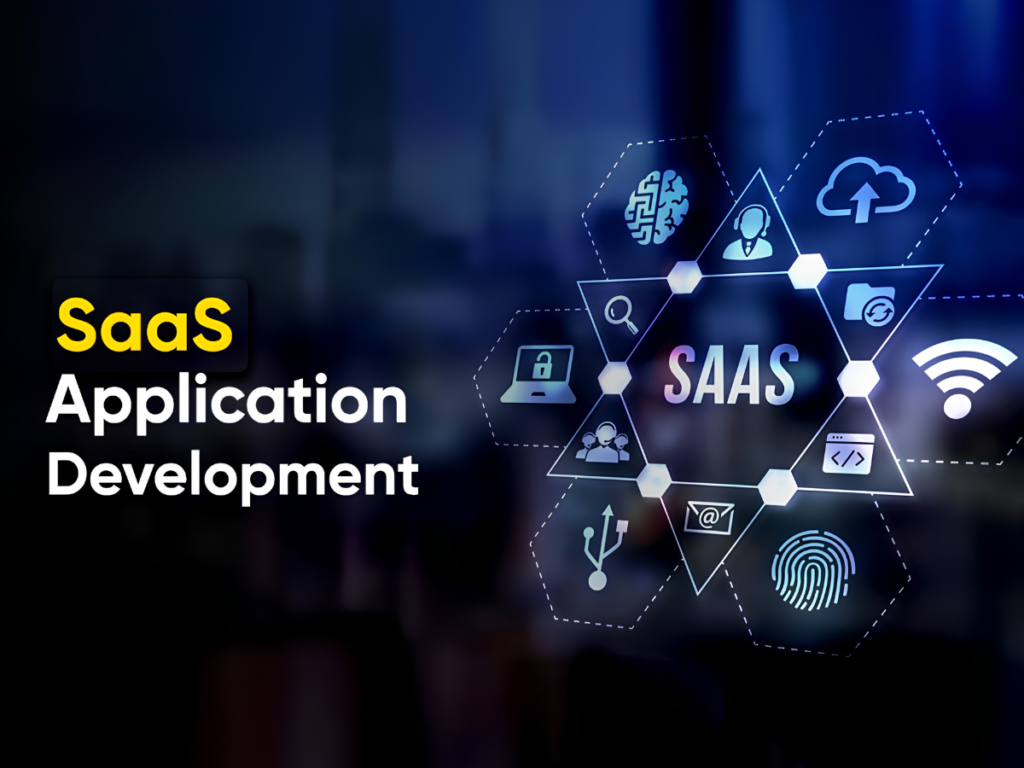
SaaS application development has transformed the way businesses build, deliver, and use software. Instead of installing applications on individual computers or managing complicated infrastructure, users can access SaaS solutions directly through the internet using a web browser or mobile device.
For businesses, SaaS development offers a flexible way to build software products that can serve customers across different locations and scale as demand grows. Updates, security improvements, and new features can also be rolled out centrally, so users can access the latest version without having to manually install updates.
With the right SaaS development approach, businesses can create reliable and scalable software products while reducing infrastructure complexity and providing customers with a convenient, accessible, and continuously improving digital experience.
What is SaaS Application Development?
SaaS application development is the process of designing, building, testing, deploying, and maintaining software that users can access through the cloud. Instead of installing and managing the application on their own devices, users can typically access it through a web browser or mobile app.
With a SaaS model, the software provider takes care of the underlying infrastructure, hosting, security, updates, and ongoing maintenance. This makes it easier for users to access the application from different locations and devices without worrying about technical setup or software upgrades.
SaaS applications can support a wide range of business and organizational needs, including business management, accounting, customer service, project collaboration, communication, analytics, education, and more. Because SaaS solutions can be updated and scaled centrally, they provide businesses with a flexible way to deliver software and continuously improve the user experience.
Why Businesses Choose SaaS Applications
SaaS applications offer businesses a more flexible and convenient way to use and deliver software compared with traditional software models. Since the application is hosted in the cloud, organizations can access the tools they need without managing complex infrastructure or installing software on individual devices.
Some of the key benefits include:
Access Software from Anywhere – Users can access SaaS applications through the internet from different locations and devices, making it easier to work remotely or across multiple offices.
Reduce Infrastructure Requirements – Since the software is hosted and maintained by the provider, businesses do not need to invest heavily in servers, hardware, or other infrastructure.
Scale as Demand Grows – SaaS applications can be scaled according to business needs, allowing organizations to add users, features, or resources as they grow.
Automatic Software Updates – Updates, security improvements, and new features can be delivered automatically, ensuring users always have access to the latest version.
Support Remote and Distributed Teams – Cloud-based access makes it easier for employees working from different locations to collaborate and use the same business applications.
Flexible Subscription Models – Subscription-based pricing allows businesses to choose plans based on their requirements, making software costs more predictable and adaptable.
Simplified Software Maintenance – The provider manages hosting, maintenance, backups, updates, and infrastructure, reducing the technical workload for customers.
These advantages make SaaS an attractive option for software companies developing scalable products and for organizations looking for accessible, cost-effective, and easy-to-manage business applications.
Key Features of SaaS Applications
Modern SaaS applications are designed to make software easier to access, manage, and scale while giving businesses the flexibility to adapt as their needs change. Some of the key features include:
Cloud-Based Access – Users can access the application through an internet connection without needing to install or maintain complex software on their devices. This makes it convenient to work from different locations and devices.
User Management – Administrators can easily create user accounts, assign roles, and manage permissions based on individual responsibilities, helping keep business data secure.
Subscription Management – SaaS platforms can support different pricing plans, subscriptions, upgrades, renewals, and billing options, making it easier to manage customers and recurring revenue.
Automated Updates – New features, security improvements, and bug fixes can be deployed centrally, allowing users to benefit from the latest version without manually installing updates.
Data Analytics – Built-in dashboards and reports provide useful insights into user activity, business performance, and important metrics, helping organizations make informed decisions.
Third-Party Integrations – SaaS applications can connect with CRM systems, payment gateways, ERP platforms, communication tools, and other business applications through APIs, creating a more connected and efficient workflow.
Together, these features make SaaS applications flexible, scalable, and easier to manage while providing users with a seamless digital experience.
Benefits of SaaS Application Development
SaaS application development offers businesses a flexible way to build and deliver software while reducing infrastructure complexity. With cloud-based delivery and centralized management, organizations can launch products faster, scale them as demand grows, and continuously improve the user experience.
Faster Deployment – Cloud-based applications can be launched, configured, and updated without requiring complicated installation procedures on individual devices.
Scalability – SaaS applications can grow alongside the business, supporting more users, increasing data volumes, and expanding functionality as demand increases.
Lower Infrastructure Requirements – Businesses do not need to maintain extensive hardware or infrastructure for every user, as the application is hosted and managed centrally.
Continuous Improvement – Development teams can regularly introduce new features, security updates, and performance improvements without requiring users to install new versions manually.
Wider Market Reach – Cloud-based applications can be accessed by customers from different locations, allowing businesses to expand into new markets without setting up local infrastructure.
SaaS Development Process – Building a successful SaaS application requires a structured development approach. From understanding user needs to ongoing maintenance, each stage helps ensure the final product is reliable, secure, and easy to use.
Requirement Analysis – Start by understanding the target audience, business objectives, key features, user expectations, and technical requirements. Clear requirements provide a strong foundation for the development process.
UI and UX Design – Design a simple, intuitive, and responsive interface that makes it easy for users to navigate the application and complete their tasks. A well-planned user experience can significantly improve adoption and customer satisfaction.
Application Development – Develop the frontend, backend, database, APIs, authentication, and other essential components of the SaaS platform. The architecture should be designed with security, performance, and future scalability in mind.
Testing – Thoroughly test the application for functionality, security, performance, compatibility, usability, and reliability. Identifying and resolving issues before launch helps deliver a stable user experience.
Cloud Deployment – Deploy the application to suitable cloud infrastructure and configure the production environment, including databases, security settings, monitoring, backups, and performance requirements.
Maintenance and Updates – After launch, continuously monitor the application’s performance, resolve technical issues, strengthen security, and introduce new features based on customer feedback and changing business needs.
A well-structured SaaS development process helps businesses create applications that are scalable, reliable, secure, and capable of delivering long-term value to both the organization and its customers.
Technologies Used in SaaS Development
Modern SaaS applications can be built using a wide range of technologies, depending on the application’s features, expected user base, security requirements, and long-term growth plans. Choosing the right technology stack is important for creating a platform that is reliable, scalable, secure, and easy to maintain.
Some commonly used technologies include:
Frontend Technologies – React, Angular, and Vue.js can be used to build responsive and interactive user interfaces.
Backend Technologies – Node.js, Python, Java, and .NET provide flexible options for developing secure and scalable server-side applications.
Databases – PostgreSQL, MySQL, and MongoDB can be used to store and manage application data based on the project’s specific requirements.
APIs – REST APIs and GraphQL enable SaaS applications to communicate with other systems and support third-party integrations.
Containerization and Orchestration – Docker and Kubernetes help package, deploy, and manage applications efficiently, particularly in scalable cloud environments.
Cloud Platforms – Cloud infrastructure provides the resources needed to host, scale, monitor, and manage SaaS applications.
The right technology stack depends on several factors, including application complexity, performance requirements, scalability, security, development resources, and budget. Choosing technologies carefully at the beginning can make the application easier to maintain and better prepared for future growth.
Security Considerations for SaaS Applications
Security should be a core part of SaaS application development from the very beginning. Since SaaS platforms often handle customer information, business data, and sensitive transactions, strong security measures are essential to protect users and maintain trust.
Some important security practices include:
Secure Authentication – Use strong authentication methods, secure password policies, and multi-factor authentication (MFA) to prevent unauthorized access.
Role-Based Access Control – Give users access only to the features and information they need based on their roles and responsibilities.
Data Encryption – Protect sensitive information by encrypting data both while it is being transmitted and when it is stored.
Secure APIs – Implement authentication, authorization, validation, and other security controls to protect APIs from unauthorized access and misuse.
Regular Backups – Maintain secure and reliable backups to help recover important data in case of system failures, security incidents, or accidental data loss.
Vulnerability Testing – Conduct regular security assessments, vulnerability scans, and penetration testing to identify and address potential weaknesses.
Activity Monitoring – Monitor user activity, system events, and access logs to detect unusual behavior and respond to potential security threats quickly.
Privacy and Compliance Requirements – Design the application to meet applicable data protection, privacy, and industry-specific compliance requirements.
Security is an ongoing process rather than a one-time task. Regular updates, monitoring, testing, and security reviews help SaaS applications remain protected as threats and business requirements evolve. Strong security practices not only protect customer data but also build confidence and support long-term customer relationships.
Future of SaaS Application Development
SaaS application development is evolving rapidly as new technologies change the way software is designed, built, and delivered. Businesses are increasingly looking for applications that are not only scalable and reliable but also intelligent, flexible, and capable of adapting to changing customer needs.
Some of the key technologies shaping the future of SaaS development include:
Artificial Intelligence (AI) – AI can automate routine tasks, improve personalization, enhance customer support, and help applications deliver smarter experiences.
Machine Learning (ML) – Machine learning can analyze application and user data to identify patterns, predict outcomes, and continuously improve business processes.
Generative AI – Generative AI enables SaaS platforms to create content, summarize information, assist users, and provide intelligent recommendations based on business data.
Serverless Computing – Serverless architecture allows developers to build and run application features without managing traditional server infrastructure, helping reduce operational complexity and scale resources when needed.
Microservices Architecture – Breaking applications into smaller, independent services makes SaaS platforms easier to develop, update, scale, and maintain.
Low-Code Development – Low-code tools allow businesses and development teams to create and customize application features faster while reducing the amount of traditional coding required.
Predictive Analytics – Advanced analytics can use historical and real-time data to identify trends, forecast business outcomes, and support better decision-making.
AI-Powered Automation – AI combined with automation can streamline complex workflows, reduce repetitive tasks, and enable SaaS applications to respond intelligently to user and business requirements.
As these technologies continue to mature, SaaS applications will become more personalized, automated, and adaptable. Businesses that embrace these innovations can build software products that scale efficiently, improve user experiences, and create greater value over the long term.
Conclusion
SaaS application development gives businesses a flexible and scalable way to build, deliver, and manage cloud-based software. With features such as remote accessibility, centralized updates, scalable infrastructure, and subscription-based models, SaaS solutions can adapt to changing business needs and support growth over time.
A successful SaaS product requires more than just good technology. It combines user-friendly design, a reliable technology stack, strong security practices, scalable architecture, and ongoing improvements based on user feedback. Regular updates and continuous optimization also help keep the application relevant as customer expectations and market needs change.
With the right development strategy, businesses can create SaaS applications that are secure, easy to use, scalable, and capable of delivering long-term value to both the organization and its customers.