
Software Product Development: Turning Business Ideas into Digital Products
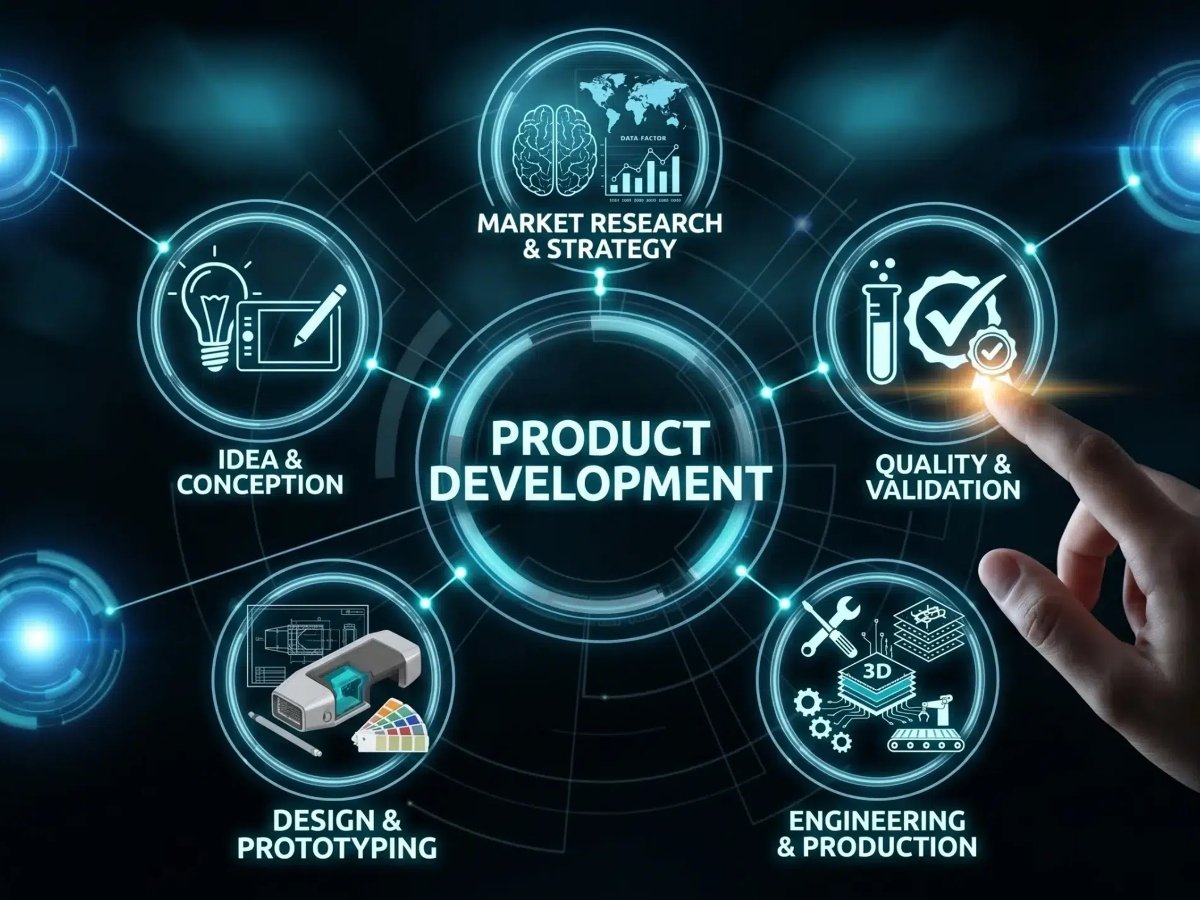
Software product development is the process of turning an idea into a useful digital product that addresses a specific customer or business need. It involves much more than writing code – it covers everything from researching the market and understanding user requirements to designing, developing, testing, launching, and continuously improving the product.
For businesses planning to build their own software products, having a clear and structured development process can make a significant difference. It helps teams understand what users actually need, manage development costs, identify potential challenges early, and deliver a product that is reliable and easy to use.
A well-planned approach also allows businesses to improve the product over time based on customer feedback, changing market needs, and new technologies. This helps create software that not only solves a problem at launch but continues to deliver value as the business and its users grow.
What is Software Product Development?
Software product development is the process of designing, building, and improving a software solution for a specific group of users or a particular market. Unlike software developed for a single internal business requirement, product development focuses on creating a solution that can serve a broader audience and evolve as customer expectations and market needs change.
The process typically involves understanding the target users, identifying their problems, defining the right features, designing the user experience, developing the product, and continuously improving it based on real-world feedback.
Software products can take many forms, including SaaS platforms, mobile applications, business management systems, e-commerce platforms, customer-facing applications, and other digital solutions. A successful software product is not only technically reliable but also useful, easy to use, scalable, and capable of adapting as its users and market evolve.
Why Software Product Development Matters
A well-planned software product development process helps businesses turn ideas into practical solutions that create real value for users and support long-term business goals. By combining customer research, thoughtful design, reliable technology, and continuous improvement, organizations can build products that are useful, scalable, and competitive.
Some of the key benefits include:
Turn Ideas into Functional Products – Transform business concepts and innovative ideas into working digital products that users can actually interact with and benefit from.
Solve Specific Customer Problems – Understand user needs and develop features that address real challenges, making the product more relevant and valuable to its target audience.
Improve Operational Efficiency – Automate repetitive tasks, streamline workflows, and introduce digital tools that help businesses work faster and more efficiently.
Create New Revenue Opportunities – Develop software products that can generate new income through subscriptions, licensing, transactions, or other suitable business models.
Respond to Changing Market Needs – Build products with flexibility in mind so new features, improvements, and updates can be introduced as customer expectations and market conditions change.
Build Scalable Digital Solutions – Design the product architecture to support growing numbers of users, increasing data volumes, and expanding business requirements without compromising performance.
Improve Customer Experiences – Deliver intuitive, reliable, and user-friendly digital experiences that help customers achieve their goals more easily and encourage long-term engagement.
A strong software product development strategy brings business goals and user expectations together. It helps organizations build products that are not only technically sound but also capable of delivering lasting value and supporting sustainable growth.
Key Stages of Software Product Development
Building a successful software product requires more than just developing features. A structured process helps teams understand user needs, validate ideas, build the right solution, and continuously improve the product after launch.
Idea and Market Research
Start by understanding the target audience, market demand, competitors, and the problem the product is intended to solve. This research helps validate the idea and identify opportunities to create something users genuinely need.
Product Planning
Define the product’s goals, core features, user requirements, development priorities, timelines, and technical needs. A clear plan keeps the development team aligned and helps manage the project effectively.
UI and UX Design
Create a simple, intuitive, and engaging user experience. The design should make it easy for users to navigate the product, understand its features, and complete their tasks without unnecessary complexity.
Software Development
Build the frontend, backend, databases, APIs, integrations, and other components required for the product. Developers should focus on creating a secure, reliable, and scalable foundation that can support future growth.
Quality Assurance
Thoroughly test the product to identify and resolve issues before release. Testing should cover functionality, security, performance, usability, compatibility, and other important aspects of the user experience.
Product Launch
Deploy the completed product and make it available to the intended users. The launch may be done gradually or in phases, depending on the product, target audience, and business strategy.
Continuous Improvement
Product development does not end after launch. Collect user feedback, monitor product performance, fix issues, improve existing features, and introduce new functionality based on changing customer needs and market trends.
Following a structured product development process helps businesses build software that is useful, reliable, scalable, and capable of evolving with its users over time.
Benefits of Software Product Development
Developing a software product gives businesses greater control over how technology supports their customers and operations. Instead of depending entirely on generic solutions, organizations can build products around specific needs and continue improving them as the business and market evolve.
Better Customer Solutions
Create software based on real customer needs and challenges, ensuring the product provides practical solutions instead of forcing users to adapt to a generic platform.
Greater Flexibility
Customize features, workflows, and functionality as customer expectations and market requirements change. This makes it easier to adapt the product over time.
Scalable Growth
Build the product with a scalable architecture that can support increasing numbers of users, growing data volumes, and expanding business requirements without compromising performance.
Competitive Advantage
A unique and well-designed software product can help businesses stand out from competitors, offer differentiated services, and create stronger value for their customers.
Continuous Innovation
Regular updates and improvements allow businesses to introduce new features, respond to customer feedback, adopt emerging technologies, and keep the product relevant in a changing market.
With the right product development strategy, businesses can create software that meets current customer needs while providing the flexibility and scalability required for long-term growth and innovation.
Technologies Used in Software Product Development
Modern software products can be built using a wide range of technologies, depending on the product’s purpose, target users, performance needs, and future growth plans. Choosing the right technology stack is important for creating a product that is reliable, secure, scalable, and easy to maintain.
Some commonly used technologies include:
React and Angular – Popular frontend technologies used to create responsive, interactive, and user-friendly interfaces.
Node.js – A flexible backend technology that is well suited for building scalable applications and APIs.
Python – Commonly used for backend development, automation, data processing, artificial intelligence, and applications that require rapid development.
Java and .NET – Reliable technologies often used for building secure, high-performance enterprise and business applications.
PostgreSQL and MongoDB – Database technologies used to store and manage application data, with the choice depending on the product’s data structure and requirements.
REST APIs and GraphQL – Used to enable communication between different parts of an application and connect the product with external platforms and services.
Docker – Helps package applications and their dependencies into portable containers, making development and deployment more consistent.
Kubernetes – Helps manage and scale containerized applications, particularly when the product needs to support larger and more complex environments.
The ideal technology stack depends on factors such as product functionality, expected traffic, security requirements, performance, development resources, budget, and long-term scalability. Selecting the right technologies from the beginning can make the product easier to develop, maintain, and expand as the business grows.
Common Challenges in Software Product Development
Building a successful software product can be challenging, especially when customer needs, technology, and market conditions continue to change. Identifying potential problems early and following a clear development strategy can help businesses avoid unnecessary delays and costs.
Some common challenges include:
Unclear Product Requirements – When product goals and user requirements are not clearly defined, development teams may build features that do not fully meet customer needs, leading to rework and delays.
Changing Customer Expectations – User preferences and market trends can change quickly. Businesses need to remain flexible and regularly update the product to stay relevant.
Limited Development Resources – Shortages of skilled developers, time, or technical resources can affect development timelines and make it difficult to deliver all planned features.
Security Concerns – Software products often handle sensitive customer and business data, making strong security practices essential throughout the development lifecycle.
Integration Difficulties – Connecting the product with existing systems, third-party services, APIs, or external platforms can become complex and may require additional development effort.
Poor User Adoption – Even a technically strong product may struggle if users find it difficult to understand or use. A simple interface, good onboarding, and ongoing user feedback can improve adoption.
Increasing Development Costs – Scope changes, additional features, technical challenges, and unexpected issues can increase development expenses if the project is not carefully managed.
These challenges can be managed through clear planning, well-defined requirements, regular testing, effective communication, and continuous feedback from users and stakeholders. A flexible development approach allows businesses to address issues early while keeping the product aligned with customer and market needs.
Best Practices for Successful Software Product Development
Building a successful software product requires a clear understanding of users, careful planning, and a willingness to improve continuously. Following a few practical development practices can help businesses create products that are useful, secure, and capable of adapting to changing customer needs.
Understand Users
Take time to research your target customers, understand their challenges, and learn what they expect from the product. User insights help teams prioritize features that solve real problems rather than adding unnecessary functionality.
Start with Core Features
Focus on the most important features first and build a strong foundation for the product. Once the core functionality is stable and users begin providing feedback, additional features can be introduced based on actual needs.
Use Agile Development
Develop and test the product in smaller, manageable iterations instead of trying to build everything at once. This approach makes it easier to respond to feedback, identify issues early, and adapt to changing requirements.
Prioritize Security
Make security part of the entire development lifecycle. Use appropriate authentication, access controls, data protection, secure coding practices, and regular security testing to protect the product and its users.
Monitor Product Performance
Track application performance, user behavior, customer feedback, and important product metrics after launch. These insights help identify problems, understand what users value, and guide future improvements.
Following these practices helps businesses build software products that are user-focused, reliable, secure, and flexible enough to evolve as customer expectations and market needs change.
Future of Software Product Development
Software product development is changing rapidly as new technologies help businesses build, test, and improve digital products more efficiently. Development teams are increasingly adopting modern tools and approaches to shorten development cycles, improve product quality, and create better experiences for users.
Some of the key trends shaping the future of software product development include:
Artificial Intelligence (AI) – AI can assist development teams with coding, testing, data analysis, automation, and personalized product experiences, helping teams work more efficiently.
Generative AI – Generative AI can support tasks such as content creation, code generation, documentation, customer support, and intelligent product features.
Low-Code Development – Low-code platforms allow teams to build and customize applications with less traditional coding, helping businesses develop certain features faster and reduce development effort.
Cloud-Native Technologies – Cloud-native tools and architectures help businesses build applications that are scalable, flexible, and designed to take advantage of modern cloud infrastructure.
Microservices – Breaking products into smaller, independent services makes it easier for teams to develop, update, and scale individual components without affecting the entire application.
Automated Testing – Automated testing helps teams identify issues earlier, improve software quality, and release new features with greater confidence.
DevOps – DevOps practices bring development and operations teams closer together, enabling faster development, testing, deployment, monitoring, and continuous improvement.
Predictive Analytics – Predictive analytics can help businesses understand user behavior, identify trends, forecast demand, and make better decisions about future product features.
As these technologies continue to advance, software product development will become more automated, data-driven, and user-focused. Businesses that adopt the right technologies and development practices can bring products to market faster while improving scalability, reliability, and the overall customer experience.
Conclusion
Software product development provides businesses with a clear and structured way to turn ideas into useful, reliable, and valuable digital products. From understanding the market and customer needs to designing, developing, testing, launching, and improving the product, each stage plays an important role in its long-term success.
A successful software product is not built around technology alone. It should solve real customer problems, provide a smooth user experience, remain secure, and have the flexibility to grow as business and market requirements change. Continuous feedback and regular improvements also help keep the product relevant over time.
By focusing on customer needs, scalability, security, performance, and continuous innovation, businesses can build software products that deliver lasting value, strengthen their competitive position, and support sustainable growth.