
Workflow Management Software for Businesses: Streamline Business Processes
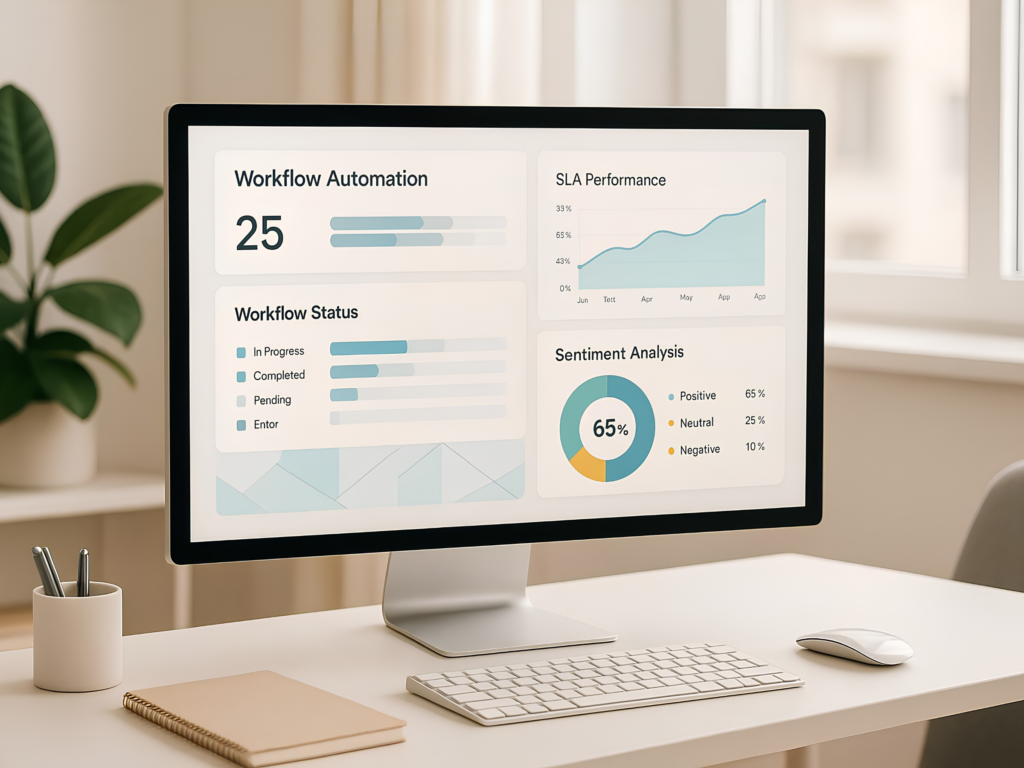
Workflow management software helps businesses automate processes, organize tasks, and improve collaboration across teams. Relying on manual workflows can often lead to delays, repetitive work, communication gaps, and reduced productivity.
By implementing workflow management software, organizations can streamline operations, reduce errors, improve efficiency, and create smoother processes that help teams work more effectively.
What is Workflow Management Software?
Workflow management software is a digital solution that helps businesses create, organize, manage, and automate workflows more efficiently. By bringing tasks, processes, and team activities into one centralized platform, it simplifies daily operations and helps businesses improve productivity and collaboration.
Why Workflow Management Software for Businesses is Important
Workflow management software helps businesses streamline operations by automating tasks, improving collaboration, and creating more efficient processes across teams.
It helps organizations:
Automate Repetitive Tasks – Reduce manual work and save time by automating routine processes.
Improve Team Collaboration – Keep teams connected with better communication and task coordination.
Increase Operational Efficiency – Streamline workflows to improve productivity and reduce delays.
Reduce Manual Errors – Minimize mistakes by standardizing processes and reducing dependency on manual tasks.
Well-structured workflows help businesses improve productivity, enhance teamwork, and achieve better overall performance.
Key Features of Workflow Management Software
1. Task Automation
Automate repetitive business activities to save time and reduce manual effort.
2. Workflow Tracking
Monitor task progress, project status, and workflows across teams to maintain better visibility.
3. Collaboration Tools
Improve communication and coordination between departments for smoother teamwork.
4. Approval Management
Simplify and automate approval processes to speed up decision-making and reduce delays.
5. Reporting and Analytics
Gain valuable insights into workflow performance with reports and analytics that support better decision-making.
Benefits of Workflow Management Software for Businesses
1. Increased Productivity
Free up valuable time by reducing repetitive tasks and allowing teams to focus on higher-value work.
2. Better Process Visibility
Track workflows and monitor progress in real time for improved transparency and control.
3. Reduced Operational Errors
Minimize manual mistakes by automating routine processes and standardizing workflows.
4. Faster Approvals
Speed up approvals and decision-making processes to keep projects and tasks moving efficiently.
5. Improved Collaboration
Enhance communication, coordination, and teamwork across departments and teams.
By streamlining workflows, businesses can create more efficient operations and improve overall performance.
Industries Using Workflow Management Software
Workflow management software is used across a variety of industries to streamline processes, improve collaboration, and increase operational efficiency.
Human Resources – Simplify recruitment, onboarding, leave management, and employee workflows.
Finance Departments – Automate approvals, reporting, and financial processes for greater accuracy and efficiency.
Healthcare Organizations – Manage patient workflows, documentation, and administrative tasks more effectively.
IT Companies – Organize projects, manage tasks, and streamline team collaboration.
Manufacturing Industries – Improve production workflows, approvals, and operational processes.
Organizations across different industries use workflow management software to reduce manual work, improve process visibility, and create more efficient operations.
Signs Your Business Needs Workflow Management Software
Your business may benefit from workflow management software if everyday processes are slowing down operations or creating inefficiencies.
Common signs include:
Processes Are Repetitive and Manual – Repeating the same tasks manually can waste time and increase the risk of errors.
Teams Struggle with Collaboration – Poor communication and disconnected workflows can impact productivity.
Approvals Take Too Long – Delayed approvals can slow down projects and decision-making.
Productivity Is Decreasing – Inefficient processes often lead to missed deadlines and reduced performance.
Implementing workflow management software helps streamline business processes, improve collaboration, and create more efficient workflows across teams.
How to Choose the Right Workflow Management Software
Selecting the right workflow management software is essential for improving efficiency and supporting business growth. When evaluating different solutions, consider the following factors:
Ease of Use – Choose software that is simple to use and easy for teams to adopt quickly.
Automation Capabilities – Look for tools that can automate repetitive tasks and streamline workflows.
Integration Support – Ensure the software integrates smoothly with your existing systems and business applications.
Reporting Features – Select a platform that provides clear insights and performance reports for better decision-making.
Scalability – Choose a solution that can grow alongside your business needs over time.
The right workflow management software can help improve productivity, streamline operations, and create more efficient business processes.
Future of Workflow Management Software
Workflow management software is continuously evolving with advanced technologies that help businesses streamline operations and improve productivity.
Key trends shaping the future include:
AI-Powered Automation – Automate repetitive tasks and improve process efficiency with intelligent automation tools.
Cloud Collaboration Tools – Enable teams to work together seamlessly from anywhere with cloud-based platforms.
Predictive Workflow Analytics – Use data-driven insights to identify bottlenecks and improve workflow performance.
Smart Process Optimization – Continuously refine and optimize workflows for faster and more efficient operations.
As these technologies continue to advance, businesses can create more agile, connected, and efficient workflows.
Conclusion
Workflow management software helps businesses increase productivity, automate routine processes, and simplify day-to-day operations. By adopting workflow management systems, organizations can streamline tasks, improve efficiency, and create scalable processes that support long-term growth and business success.