Retail Management Software: Simplifying Store Operations and Sales
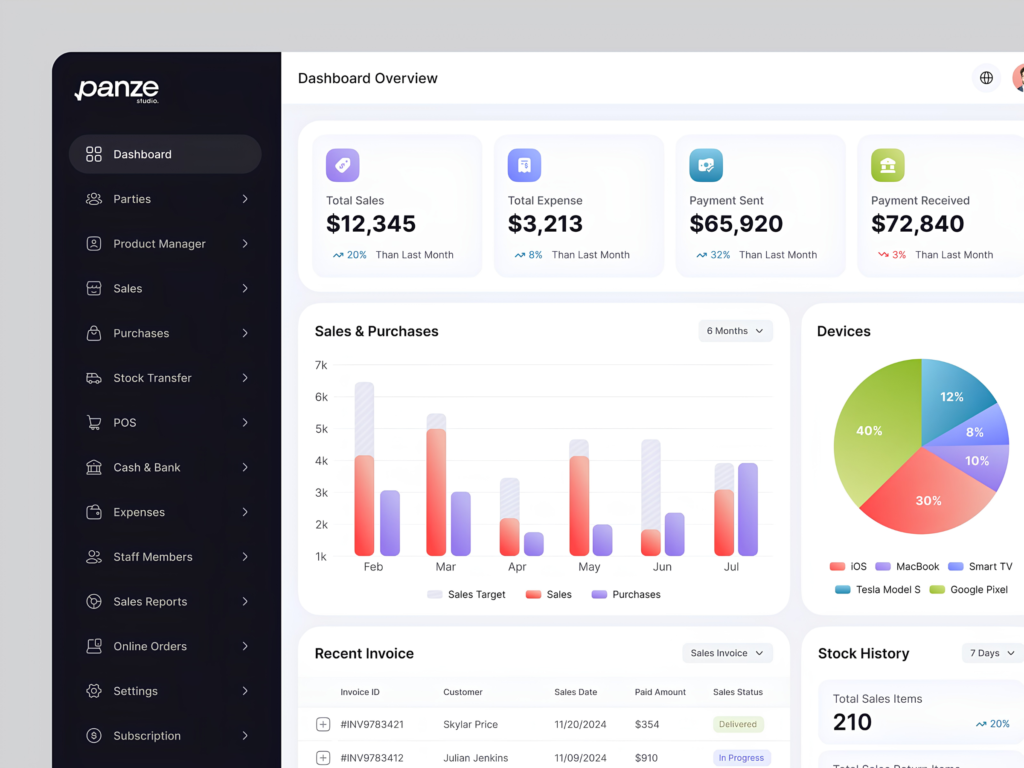
Retail management software helps businesses streamline and manage essential retail operations such as sales, inventory, billing, customer information, and day-to-day store activities from a single platform. As retail businesses expand, handling these processes manually can become complex, time-consuming, and prone to errors.
By centralizing operations and automating routine tasks, a retail management system improves efficiency, enhances inventory control, reduces operational mistakes, and helps retailers deliver a smoother and more satisfying customer experience. This enables businesses to focus on growth while maintaining better control over their operations.
What is Retail Management Software?
Retail management software is a digital solution that helps businesses automate and manage their daily retail operations more efficiently. It brings together key functions such as inventory management, billing, sales tracking, and customer relationship management into a single centralized platform.
By connecting these processes, retailers can streamline workflows, improve operational efficiency, gain better visibility into business performance, and provide a more seamless shopping experience for their customers.
Why Retail Businesses Need Management Software
Retail management software helps businesses streamline daily operations, improve efficiency, and deliver a better customer experience.
It helps retailers:
Manage Inventory Efficiently – Keep track of stock levels in real time, avoid shortages, and maintain better inventory control.
Process Sales Quickly – Speed up billing and checkout processes for a smoother customer experience.
Improve Customer Service – Access customer information easily and provide more personalized service.
Track Business Performance – Monitor sales, inventory, and key business metrics through detailed reports and insights.
Reduce Operational Errors – Automate routine tasks to minimize manual mistakes and improve accuracy.
By automating essential retail processes, businesses can spend less time on administrative tasks and more time focusing on customer satisfaction, operational efficiency, and business growth.
Key Features of Retail Management Software
1. Point of Sale (POS) Management
Process sales transactions quickly and accurately, helping create a smooth and efficient checkout experience for customers.
2. Inventory Management
Monitor stock levels in real time, ensuring products are available when needed and reducing the risk of overstocking or shortages.
3. Customer Management
Store customer details, purchase history, and preferences to support personalized service and stronger customer relationships.
4. Billing and Invoicing
Generate invoices, manage payments, and maintain accurate financial records with ease.
5. Sales Analytics
Gain valuable insights into sales performance, customer behavior, and market trends to support better business decisions.
These features help retailers streamline operations, improve customer satisfaction, and drive business growth through better management and data-driven insights.
Benefits of Retail Management Software
1. Improved Inventory Control
Maintain optimal stock levels by tracking inventory in real time, helping prevent both stock shortages and excess inventory.
2. Faster Billing Process
Speed up checkout transactions and reduce customer waiting times, creating a smoother shopping experience.
3. Better Customer Experience
Deliver personalized service, faster transactions, and improved customer support by having access to relevant customer information.
4. Accurate Reporting
Access real-time insights into sales, inventory, and business performance, enabling better planning and decision-making.
5. Increased Operational Efficiency
Automate routine tasks, reduce manual errors, and streamline daily operations to improve overall productivity.
By simplifying retail operations and improving visibility across the business, retail management software helps retailers enhance customer satisfaction, increase efficiency, and support sustainable growth.
Challenges Solved by Retail Management Software
Running a retail business involves managing multiple operations simultaneously, and doing so manually can often lead to inefficiencies and errors.
Common challenges include:
Inventory Mismanagement – Inaccurate stock tracking can result in stock shortages, excess inventory, and lost sales opportunities.
Billing Errors – Manual billing processes can lead to mistakes that affect both customer satisfaction and business revenue.
Lack of Sales Visibility – Without real-time insights, it can be difficult to track sales performance and identify growth opportunities.
Poor Customer Data Management – Managing customer information across different systems can make it harder to deliver personalized service.
Time-Consuming Manual Processes – Repetitive administrative tasks can reduce productivity and take focus away from business growth.
Retail management software addresses these challenges by automating routine tasks, centralizing business data, and providing real-time visibility into operations. This helps retailers improve efficiency, reduce errors, and deliver a better experience for their customers.
How to Choose the Right Retail Management Software
Selecting the right retail management software is essential for improving efficiency, enhancing customer service, and supporting business growth. When evaluating different solutions, consider the following factors:
Ease of Use – Choose a platform that is intuitive and easy for your staff to learn and use effectively.
POS Capabilities – Look for a reliable point-of-sale system that enables fast, accurate, and seamless transactions.
Inventory Management Features – Ensure the software provides real-time inventory tracking and tools to manage stock efficiently.
Reporting and Analytics Tools – Select a solution that offers detailed insights into sales, inventory, and overall business performance.
Customer Support Availability – Reliable technical support and training can help ensure smooth implementation and ongoing operations.
The right retail management software can streamline daily operations, improve decision-making, enhance customer experiences, and contribute to the long-term success of your retail business.
Future of Retail Management Software
Retail management systems are continuously evolving to meet the demands of modern businesses and changing customer expectations. Emerging technologies are helping retailers operate more efficiently and make smarter business decisions.
Key trends shaping the future include:
AI-Powered Sales Forecasting – Use artificial intelligence to predict demand, optimize inventory levels, and improve sales planning.
Cloud-Based Retail Platforms – Access business data and manage operations from anywhere with flexible, cloud-powered solutions.
Mobile POS Solutions – Enable faster and more convenient transactions through mobile point-of-sale systems.
Customer Behavior Analytics – Gain deeper insights into shopping patterns and customer preferences to deliver personalized experiences.
Automated Inventory Management – Reduce manual effort and maintain accurate stock levels with intelligent inventory automation.
As these innovations continue to advance, retailers can improve operational efficiency, enhance customer satisfaction, and remain competitive in an increasingly dynamic marketplace.
Conclusion
Retail management software has become an essential tool for modern retail businesses seeking to improve efficiency, optimize inventory management, and deliver exceptional customer experiences. By automating key processes such as sales, billing, inventory tracking, and customer management, retailers can streamline daily operations, reduce costs, and minimize errors.
With better visibility into business performance and access to real-time insights, retailers can make informed decisions, improve productivity, and respond more effectively to changing customer demands. Ultimately, a robust retail management system helps businesses operate more efficiently, enhance customer satisfaction, and build a strong foundation for long-term growth and success.