
Fleet Management Software: Improve Vehicle Operations and Business Efficiency
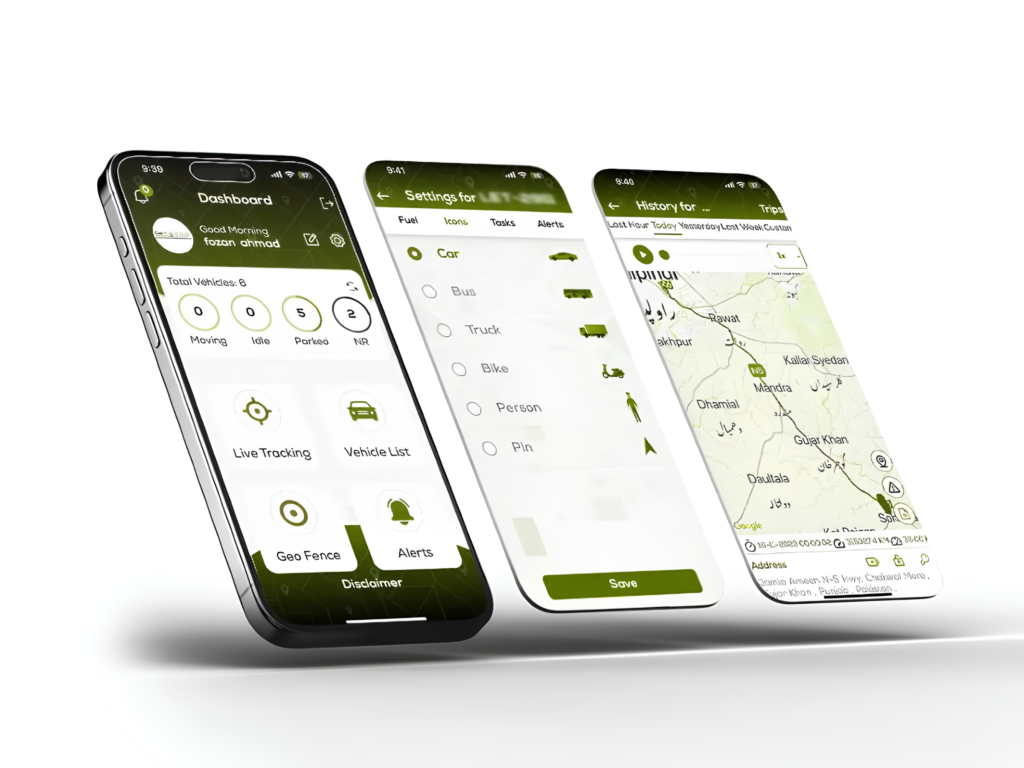
Fleet management software helps businesses efficiently manage and monitor their entire fleet from a single, centralized platform. Whether you operate delivery vans, trucks, service vehicles, or company cars, keeping track of vehicles, drivers, maintenance, and daily operations manually can become time-consuming and costly as your fleet grows.
A fleet management system simplifies these tasks by providing real-time visibility into vehicle locations, driver performance, fuel consumption, maintenance schedules, and overall fleet operations. By automating routine processes and delivering valuable insights, businesses can improve operational efficiency, reduce maintenance and fuel costs, enhance driver safety, and ensure vehicles remain productive and road-ready.
What is Fleet Management Software?
Fleet management software is a digital solution that helps businesses manage their vehicles efficiently throughout their entire lifecycle. It brings together essential fleet operations – such as vehicle tracking, maintenance scheduling, driver management, fuel monitoring, and reporting – into one centralized platform.
With real-time visibility into fleet activities, businesses can track vehicle locations, monitor driver performance, manage fuel consumption, schedule preventive maintenance, and generate detailed operational reports. This helps improve fleet efficiency, reduce operating costs, enhance vehicle performance, and make better business decisions.
Why Businesses Need Fleet Management Software
Fleet management software helps businesses streamline vehicle operations, reduce costs, and improve overall fleet performance.
It helps organizations:
Monitor Vehicles in Real Time – Track vehicle locations, movement, and performance to gain complete visibility into fleet operations.
Improve Route Planning – Optimize routes to reduce travel time, improve delivery efficiency, and increase productivity.
Reduce Fuel Expenses – Monitor fuel consumption, identify inefficiencies, and lower fuel costs through better fleet management.
Schedule Preventive Maintenance – Plan regular vehicle servicing to minimize unexpected breakdowns, reduce downtime, and extend vehicle lifespan.
Increase Driver Safety – Monitor driving behavior, encourage safer driving practices, and help reduce the risk of accidents.
Improve Operational Efficiency – Automate fleet management tasks, simplify daily operations, and make better use of vehicles and resources.
By managing fleets digitally, businesses can reduce downtime, improve service quality, lower operating costs, and deliver a better experience for their customers.
Key Features of Fleet Management Software
1. GPS Vehicle Tracking
Track vehicle locations in real time to improve route planning, monitor fleet movement, and ensure timely deliveries.
2. Maintenance Management
Schedule routine servicing and preventive maintenance to reduce unexpected breakdowns, extend vehicle life, and keep your fleet running smoothly.
3. Fuel Management
Monitor fuel consumption, identify inefficient driving habits, and control fuel expenses to improve overall cost efficiency.
4. Driver Performance Monitoring
Track driving behavior, speed, braking, and safety practices to encourage responsible driving and reduce the risk of accidents.
5. Reports and Analytics
Generate detailed reports on fleet performance, fuel usage, maintenance history, driver behavior, and operational costs to support better business decisions.
These features help businesses improve fleet efficiency, reduce operating costs, enhance driver safety, and deliver reliable service to their customers.
Benefits of Fleet Management Software
1. Reduced Operating Costs
Lower fuel consumption, reduce maintenance expenses, and optimize fleet operations to improve overall cost efficiency.
2. Improved Vehicle Utilization
Make the most of every vehicle by optimizing schedules, reducing idle time, and improving fleet productivity.
3. Better Driver Safety
Monitor driving behavior, encourage safe driving practices, and reduce the risk of accidents and vehicle damage.
4. Real-Time Fleet Visibility
Track vehicle locations, monitor deliveries, and stay informed about fleet activities with real-time updates.
5. Improved Customer Service
Ensure timely deliveries, provide accurate delivery updates, and offer a more reliable service experience to customers.
By automating fleet operations and providing real-time insights, fleet management software helps businesses improve efficiency, reduce costs, enhance driver performance, and deliver exceptional customer service.
Industries Using Fleet Management Software
Fleet management software is widely used across a variety of industries to improve vehicle operations, reduce costs, and ensure efficient fleet management.
Logistics Companies – Manage vehicle fleets, optimize delivery routes, and track shipments in real time.
Transportation Businesses – Monitor fleet performance, schedule maintenance, and improve overall operational efficiency.
Courier and Delivery Services – Streamline last-mile deliveries, track drivers, and ensure timely order fulfillment.
Construction Companies – Manage construction vehicles, heavy equipment, and field operations more effectively.
Utility Service Providers – Coordinate service vehicles, dispatch field teams, and respond to customer requests efficiently.
Manufacturing Companies – Track company vehicles used for transportation, distribution, and supply chain operations.
Government Organizations – Manage public service vehicles, monitor fleet usage, and improve operational accountability.
Organizations across these industries rely on fleet management software to enhance productivity, improve vehicle utilization, reduce operating costs, and deliver reliable services to their customers.
Signs Your Business Needs Fleet Management Software
If managing your fleet has become time-consuming or difficult, it may be the right time to invest in fleet management software. Here are some common signs that your business could benefit from a digital fleet management system:
Fuel Costs Continue to Increase – Without proper monitoring, fuel expenses can quickly rise and impact your operating budget.
Vehicle Maintenance Is Not Properly Scheduled – Missing routine maintenance can lead to unexpected breakdowns, costly repairs, and unnecessary downtime.
Drivers Are Difficult to Monitor – Limited visibility into driver behavior can make it challenging to improve safety, productivity, and accountability.
Deliveries Are Frequently Delayed – Inefficient route planning and poor fleet coordination can result in missed deadlines and dissatisfied customers.
Fleet Operations Rely on Spreadsheets – Managing vehicles, maintenance, and driver information manually is time-consuming, prone to errors, and difficult to scale.
Fleet management software helps solve these challenges by automating routine tasks, providing real-time visibility into fleet operations, and improving vehicle performance, driver management, and overall operational efficiency.
How to Choose the Right Fleet Management Software
Choosing the right fleet management software is essential for improving fleet performance, reducing operating costs, and supporting long-term business growth. Before making a decision, consider the following factors:
GPS Tracking Capabilities – Look for real-time vehicle tracking to monitor fleet movements, optimize routes, and improve operational visibility.
Maintenance Scheduling – Choose software that automates service reminders and preventive maintenance to reduce breakdowns and extend vehicle life.
Fuel Monitoring – Select a solution that tracks fuel consumption, identifies inefficiencies, and helps control fuel expenses.
Mobile Application Support – Ensure drivers and fleet managers can access important information, receive updates, and manage tasks from mobile devices.
Reporting and Analytics – Look for detailed reports and real-time dashboards that provide insights into fleet performance, driver behavior, fuel usage, and operational costs.
ERP Integration – Make sure the software integrates seamlessly with your ERP, accounting, and other business systems for smooth data management.
Customer Support – Reliable technical support and training are essential for a successful implementation and long-term system performance.
The right fleet management solution helps businesses streamline operations, improve vehicle utilization, enhance driver safety, reduce transportation costs, and support sustainable business growth.
Future of Fleet Management Software
Fleet management software is evolving rapidly as new technologies make fleet operations smarter, more efficient, and more cost-effective. These innovations are helping businesses improve vehicle performance, optimize resources, and deliver better customer service.
Key trends shaping the future include:
AI-Powered Route Optimization – Use artificial intelligence to identify the most efficient routes, reduce travel time, lower fuel consumption, and improve delivery schedules.
Predictive Vehicle Maintenance – Analyze vehicle data to identify potential issues early, helping prevent breakdowns and reduce maintenance costs.
Electric Vehicle Fleet Management – Manage electric vehicle (EV) fleets by monitoring battery health, charging schedules, and overall vehicle performance.
IoT-Enabled Vehicle Monitoring – Use connected sensors to track vehicle health, location, fuel usage, and driver behavior in real time.
Cloud-Based Fleet Analytics – Access fleet data from anywhere and gain real-time insights into performance, costs, and operational efficiency through cloud-powered dashboards.
As these technologies continue to evolve, businesses can improve fleet utilization, reduce operating expenses, enhance driver safety, and build a more efficient and sustainable transportation operation.
Conclusion
Fleet management software is an essential tool for businesses that rely on vehicles for daily operations. By centralizing fleet activities such as vehicle tracking, maintenance, fuel management, and driver monitoring, it helps organizations streamline operations, reduce operating costs, and improve overall fleet performance.
With real-time insights and automated workflows, businesses can enhance driver safety, optimize transportation processes, improve customer service, and make smarter operational decisions. Investing in the right fleet management solution not only increases productivity but also provides a strong foundation for sustainable growth and long-term business success.