Vendor Management Software: Strengthening Supplier Relationships and Business Efficiency
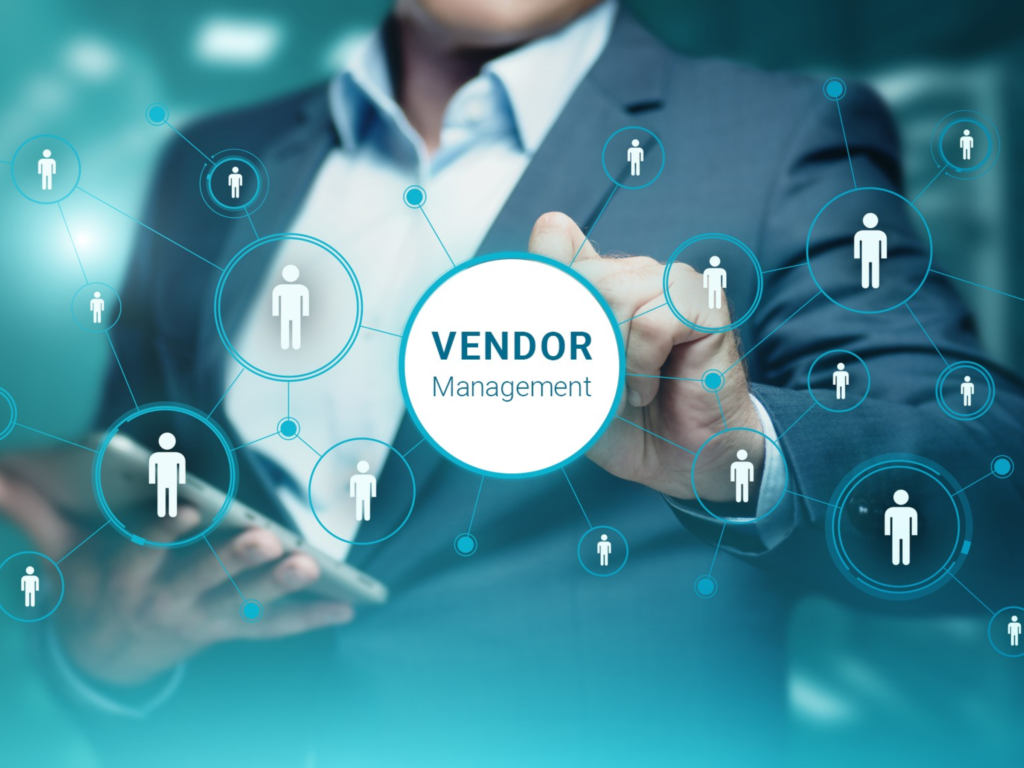
Vendor management software helps businesses efficiently manage supplier relationships, procurement activities, contracts, and vendor performance from a single, centralized platform. As organizations grow and work with multiple suppliers, manually tracking vendor information, communications, agreements, and deliveries can become complex, time-consuming, and prone to errors.
A vendor management system simplifies these processes by centralizing supplier data, automating routine tasks, and improving collaboration between businesses and their vendors. With better visibility into vendor performance and procurement activities, organizations can make smarter purchasing decisions, reduce risks, strengthen supplier relationships, and improve overall operational efficiency.
What is Vendor Management Software?
Vendor management software is a digital solution that helps businesses effectively manage supplier relationships throughout the entire vendor lifecycle. It provides a centralized platform for storing vendor information, managing contracts, tracking procurement activities, and monitoring supplier performance.
By automating vendor-related processes and keeping all supplier data organized in one place, businesses can improve collaboration, streamline procurement operations, reduce administrative workload, and minimize operational risks. This enables organizations to make better purchasing decisions, maintain stronger vendor relationships, and improve overall business efficiency.
Why Businesses Need Vendor Management Software
Vendor management software helps businesses build stronger supplier relationships, improve procurement processes, and maintain better control over vendor-related activities.
It helps organizations:
Maintain Supplier Records in One Place – Store and manage vendor information, contracts, contact details, and transaction history in a centralized system for easy access.
Improve Vendor Communication – Streamline communication with suppliers, ensuring timely updates, faster responses, and better collaboration.
Monitor Supplier Performance – Track key performance metrics such as delivery timelines, product quality, and service reliability to evaluate vendors effectively.
Reduce Procurement Risks – Improve visibility into vendor activities, ensure compliance, and identify potential issues before they impact operations.
Streamline Contract Management – Organize contracts, track renewal dates, and manage agreements more efficiently to avoid missed deadlines and compliance concerns.
Improve Purchasing Efficiency – Simplify procurement workflows, reduce manual effort, and make informed purchasing decisions based on accurate vendor data.
Strong vendor relationships and efficient procurement processes help businesses operate more smoothly, reduce risks, control costs, and support long-term growth.
Key Features of Vendor Management Software
1. Vendor Database Management
Maintain a centralized repository of supplier information, certifications, contact details, and business records, making vendor data easy to access and manage.
2. Contract Management
Track vendor agreements, renewal dates, compliance requirements, and contract terms to ensure smooth supplier relationships and avoid missed deadlines.
3. Performance Monitoring
Evaluate vendor performance using key metrics such as delivery reliability, product quality, responsiveness, and service levels to support better decision-making.
4. Procurement Integration
Connect vendor management with purchasing and procurement processes, creating a seamless workflow from supplier selection to order fulfillment.
5. Reports and Analytics
Generate detailed reports and real-time insights into supplier performance, procurement activities, contract status, and overall vendor management effectiveness.
These features help businesses strengthen supplier relationships, improve procurement efficiency, reduce risks, and gain greater visibility into vendor operations.
Benefits of Vendor Management Software
1. Improved Supplier Relationships
Strengthen partnerships with vendors through better communication, streamlined collaboration, and more transparent business processes.
2. Reduced Procurement Risks
Monitor supplier performance, compliance requirements, and delivery reliability to identify potential risks before they affect operations.
3. Better Cost Control
Gain greater visibility into vendor spending, compare supplier performance, and identify opportunities to reduce procurement costs.
4. Increased Efficiency
Automate vendor onboarding, contract management, and routine administrative tasks to save time and improve productivity.
5. Enhanced Decision-Making
Leverage real-time reports and data-driven insights to evaluate supplier performance, optimize procurement strategies, and make informed business decisions.
By centralizing vendor information and automating procurement-related activities, vendor management software helps businesses improve efficiency, reduce risks, strengthen supplier relationships, and achieve better operational outcomes.
Industries Using Vendor Management Software
Vendor management software is widely used across various industries to streamline supplier relationships, improve procurement processes, and maintain better control over vendor operations.
Manufacturing – Manage raw material suppliers, track vendor performance, and ensure a smooth supply chain.
Retail – Coordinate with multiple suppliers, monitor inventory-related procurement, and maintain consistent product availability.
Construction – Manage contractors, material suppliers, purchase agreements, and project-related procurement activities.
Healthcare – Track medical equipment suppliers, pharmaceutical vendors, and service providers while ensuring compliance and quality standards.
Logistics – Manage transportation partners, service providers, and operational suppliers to support efficient logistics operations.
Hospitality – Coordinate with food suppliers, maintenance vendors, and service providers to ensure seamless business operations.
Government Organizations – Maintain vendor records, manage procurement processes, and improve transparency in supplier relationships.
In fact, any business that works with multiple suppliers or service providers can benefit from a vendor management system. By centralizing vendor information and streamlining procurement activities, organizations can improve efficiency, reduce risks, and build stronger supplier relationships.
Signs Your Business Needs Vendor Management Software
As your supplier network grows, managing vendor relationships manually can become difficult and inefficient. If you’re facing any of the following challenges, it may be time to implement vendor management software:
Supplier Information Is Stored in Multiple Places – Managing vendor details across spreadsheets, emails, and documents can make information difficult to access and maintain.
Contract Renewals Are Difficult to Track – Missing renewal dates or important contract milestones can lead to compliance issues and business disruptions.
Vendor Performance Is Not Measured Consistently – Without a structured evaluation process, it can be challenging to identify reliable suppliers and improve procurement decisions.
Procurement Processes Are Slow – Manual workflows often cause delays in approvals, purchasing, and supplier coordination.
Supplier Communication Lacks Visibility – Tracking conversations, updates, and vendor interactions across multiple channels can lead to misunderstandings and missed opportunities.
Vendor management software helps address these challenges by centralizing supplier information, automating vendor-related processes, improving communication, and providing real-time insights into vendor performance. This enables businesses to strengthen supplier relationships, reduce risks, and improve procurement efficiency.
How to Choose the Right Vendor Management Software
Selecting the right vendor management software is essential for building strong supplier relationships, streamlining procurement processes, and improving overall business efficiency. Before choosing a solution, consider the following factors:
Ease of Use – Choose a platform that is intuitive and easy for your team to adopt, minimizing training time and improving productivity.
Contract Management Features – Look for tools that help you manage vendor agreements, track renewal dates, and ensure compliance with contract terms.
Supplier Performance Tracking – Select software that allows you to monitor key vendor metrics such as delivery performance, quality standards, and service reliability.
Procurement Integration – Ensure the solution integrates seamlessly with your purchasing, procurement, ERP, and accounting systems for smooth workflow management.
Reporting Capabilities – Choose a platform that provides real-time reports and analytics to help evaluate supplier performance and procurement activities.
Security Features – Protect sensitive vendor information with strong security controls, user permissions, and data protection measures.
Scalability – Select software that can grow with your business and support an expanding supplier network without compromising performance.
The right vendor management solution helps businesses improve supplier collaboration, reduce procurement risks, increase operational efficiency, and support long-term growth.
Future of Vendor Management Software
Vendor management software is evolving rapidly as businesses seek smarter ways to manage supplier relationships, reduce risks, and improve procurement efficiency. Emerging technologies are making vendor management more proactive, data-driven, and collaborative.
Key trends shaping the future include:
AI-Powered Supplier Evaluation – Use artificial intelligence to assess supplier performance, identify reliable vendors, and support better procurement decisions.
Predictive Risk Analysis – Analyze supplier data and market trends to identify potential risks early, helping businesses avoid disruptions and maintain supply chain stability.
Automated Contract Management – Streamline contract creation, tracking, renewals, and compliance monitoring through intelligent automation.
Cloud-Based Collaboration Platforms – Enable seamless communication and collaboration between businesses and suppliers through secure, cloud-powered systems.
Advanced Procurement Analytics – Gain deeper insights into purchasing patterns, supplier performance, spending trends, and procurement efficiency through real-time analytics.
As these technologies continue to advance, businesses can strengthen supplier relationships, improve procurement processes, reduce operational risks, and make more informed strategic decisions.
Conclusion
Vendor management software is an essential tool for businesses that work with multiple suppliers and service providers. By centralizing vendor information, contracts, performance tracking, and procurement activities into a single platform, it helps organizations manage supplier relationships more effectively and efficiently.
With better visibility into vendor performance and streamlined procurement processes, businesses can make informed purchasing decisions, reduce operational risks, control costs, and improve overall efficiency. Investing in the right vendor management solution not only strengthens supplier partnerships but also supports sustainable growth and long-term business success.