
Business Process Management Software: Improve Efficiency with Smarter Workflows
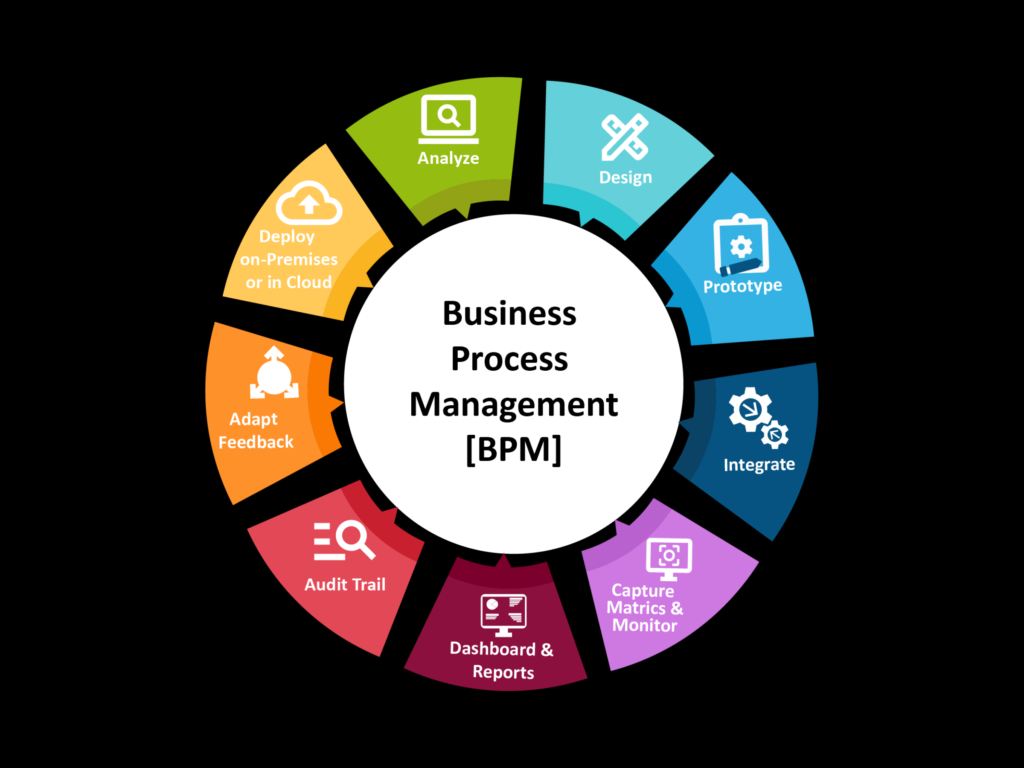
Business Process Management (BPM) software helps organizations streamline, automate, and optimize their business processes from a single, centralized platform. As businesses grow, managing workflows manually can lead to delays, inconsistent processes, communication gaps, and reduced operational efficiency.
A Business Process Management solution simplifies these challenges by automating routine tasks, standardizing workflows, and improving collaboration across departments. With greater visibility into business processes and real-time performance tracking, organizations can eliminate bottlenecks, reduce manual effort, boost productivity, and continuously improve the way they operate. This enables businesses to work more efficiently, respond faster to changing demands, and support sustainable long-term growth.
What is Business Process Management Software?
Business Process Management (BPM) software is a digital solution that helps organizations design, automate, manage, and optimize end-to-end business processes from a centralized platform. It enables businesses to create standardized workflows, automate routine tasks, and monitor every stage of a process to ensure greater consistency, transparency, and efficiency.
Unlike basic task management tools that focus on individual activities, BPM software is designed to improve complete business processes that span multiple departments. By connecting people, systems, and workflows, it enhances collaboration, reduces manual effort, minimizes process bottlenecks, and provides valuable insights that help organizations continuously improve their operations and achieve better business outcomes.
Why Businesses Need Business Process Management Software
Business Process Management (BPM) software helps organizations streamline operations, improve collaboration, and optimize workflows across the business.
It enables businesses to:
Automate Repetitive Workflows – Reduce manual effort by automating routine tasks and approvals, allowing employees to focus on more valuable work.
Improve Collaboration Between Departments – Connect teams through standardized workflows, ensuring smooth communication and better coordination.
Reduce Operational Delays – Eliminate process bottlenecks and speed up approvals, helping work move forward more efficiently.
Increase Process Transparency – Gain complete visibility into every stage of a workflow, making it easier to monitor progress and identify areas for improvement.
Minimize Human Errors – Standardize processes and automate repetitive tasks to reduce mistakes and improve accuracy.
Enhance Customer Service – Faster, more efficient workflows enable quicker response times and a better overall customer experience.
By streamlining and automating business processes, BPM software helps organizations increase productivity, improve operational efficiency, and achieve better business outcomes.
Key Features of Business Process Management Software
1. Workflow Automation
Automate repetitive tasks, approvals, and routine business processes to reduce manual effort, improve consistency, and increase operational efficiency.
2. Process Mapping
Visually design and map business workflows to better understand processes, identify inefficiencies, and optimize operations across departments.
3. Task Assignment
Assign tasks to the right team members, monitor progress in real time, and ensure responsibilities are completed on schedule.
4. Performance Monitoring
Track workflow performance through real-time dashboards and key performance indicators (KPIs), helping identify bottlenecks and measure process efficiency.
5. Reporting and Analytics
Generate detailed reports and actionable insights to evaluate process performance, uncover improvement opportunities, and support data-driven decision-making.
These powerful features help businesses streamline operations, improve collaboration, enhance productivity, and continuously optimize business processes for better organizational performance.
Benefits of Business Process Management Software
1. Higher Productivity
Automate repetitive tasks and streamline workflows, allowing employees to focus on strategic work that adds greater value to the business.
2. Better Collaboration
Improve communication and coordination between teams by connecting departments through standardized, transparent workflows.
3. Reduced Operational Costs
Eliminate unnecessary manual processes, reduce process inefficiencies, and optimize resource utilization to lower operating costs.
4. Improved Compliance
Maintain standardized workflows, accurate documentation, and consistent business processes to support regulatory compliance and internal governance.
5. Better Decision-Making
Leverage real-time process analytics and performance reports to identify bottlenecks, measure efficiency, and make data-driven decisions for continuous improvement.
By automating and optimizing business processes, BPM software helps organizations increase productivity, improve operational efficiency, reduce costs, and build a more agile and efficient business.
Industries Using Business Process Management Software
Business Process Management (BPM) software is widely used across industries to streamline workflows, improve collaboration, and enhance operational efficiency.
Manufacturing – Automate production workflows, quality control, procurement, and supply chain processes to improve productivity and reduce delays.
Healthcare – Simplify patient administration, approvals, document management, and clinical workflows while ensuring compliance with healthcare regulations.
Banking and Finance – Streamline loan processing, customer onboarding, approvals, compliance, and financial operations through automated workflows.
Education – Manage admissions, student records, administrative processes, approvals, and staff workflows more efficiently.
Government – Improve public service delivery by automating document processing, approvals, licensing, and citizen service workflows.
Retail – Optimize inventory management, order processing, procurement, customer service, and internal business operations.
Logistics – Streamline warehouse operations, shipment tracking, delivery coordination, and supply chain workflows to improve efficiency.
Information Technology – Automate project approvals, service requests, employee onboarding, incident management, and internal operational processes.
Organizations of all sizes rely on BPM software to standardize processes, eliminate manual bottlenecks, improve productivity, and build more efficient, agile, and scalable business operations.
Signs Your Business Needs Business Process Management Software
As your business grows, managing workflows manually can become inefficient and difficult to control. If you’re facing any of the following challenges, it may be time to implement Business Process Management (BPM) software:
Workflows Rely Heavily on Manual Approvals – Paper-based or email approval processes can slow operations, create bottlenecks, and increase the risk of errors.
Teams Struggle with Communication – Poor coordination between departments can lead to missed updates, duplicated efforts, and delayed decision-making.
Processes Vary Between Departments – Inconsistent workflows across teams can reduce efficiency, create confusion, and make it difficult to maintain quality standards.
Tasks Are Frequently Delayed – Missed deadlines, pending approvals, and unclear responsibilities can negatively impact productivity and customer satisfaction.
Business Growth Has Made Operations More Complex – As your organization expands, managing multiple workflows without a centralized system becomes increasingly challenging.
Business Process Management (BPM) software helps address these challenges by automating workflows, standardizing business processes, improving collaboration, and providing real-time visibility into operations. This enables businesses to work more efficiently, reduce delays, and scale with confidence.
How to Choose the Right Business Process Management Software
Choosing the right Business Process Management (BPM) software is essential for streamlining workflows, improving collaboration, and increasing operational efficiency. Before selecting a solution, consider the following factors:
Drag-and-Drop Workflow Builder – Choose software that allows you to create, modify, and manage workflows easily without requiring extensive technical expertise.
Process Automation Features – Look for robust automation capabilities that reduce manual work, speed up approvals, and improve process consistency.
Integration with ERP and CRM Systems – Ensure the BPM solution integrates seamlessly with your existing ERP, CRM, HR, accounting, and other business applications for smooth data flow.
Cloud Accessibility – A cloud-based platform enables secure access to workflows and business data from anywhere, supporting remote and hybrid work environments.
Reporting and Analytics – Select software that provides real-time dashboards and detailed reports to monitor workflow performance and identify opportunities for improvement.
User-Friendly Interface – An intuitive interface encourages faster adoption and allows employees across departments to use the system with ease.
Scalability – Choose a solution that can grow with your business, supporting additional users, departments, and increasingly complex workflows as your organization expands.
The right BPM solution helps businesses streamline operations, improve productivity, enhance collaboration, and build a scalable foundation for long-term growth and continuous process improvement.
Future of Business Process Management Software
Business Process Management (BPM) software is evolving rapidly as organizations adopt smarter technologies to automate workflows, improve efficiency, and respond faster to changing business needs. Modern BPM platforms are becoming more intelligent, flexible, and easier to use, enabling businesses to continuously optimize their operations.
Key trends shaping the future include:
AI-Powered Workflow Optimization – Use artificial intelligence to identify process bottlenecks, recommend improvements, and automate complex decision-making for greater efficiency.
Intelligent Document Processing – Automatically capture, extract, and process data from documents, reducing manual data entry and accelerating business workflows.
Low-Code and No-Code Automation – Empower business users to create, modify, and automate workflows with minimal coding, enabling faster process improvements and innovation.
Predictive Process Analytics – Analyze historical and real-time process data to predict delays, identify risks, and optimize workflows before issues occur.
Cloud-Native BPM Platforms – Access workflows securely from anywhere while benefiting from greater scalability, flexibility, and seamless collaboration across teams.
As these technologies continue to advance, BPM software will help organizations become more agile, efficient, and competitive by streamlining operations, improving decision-making, and driving continuous business process improvement.
Conclusion
Business Process Management (BPM) software is a valuable solution for organizations looking to streamline operations, improve efficiency, and adapt to changing business demands. By automating workflows, standardizing processes, and connecting teams through a centralized platform, BPM software helps eliminate manual inefficiencies and ensures work is completed faster and more consistently.
With real-time visibility into business processes and performance, organizations can identify bottlenecks, make informed decisions, reduce operational costs, and continuously improve the way they work. Investing in the right BPM solution not only boosts productivity and collaboration but also enhances customer experiences and provides a scalable foundation for long-term business growth.