Asset Management Software for Businesses: Improve Asset Tracking and Control
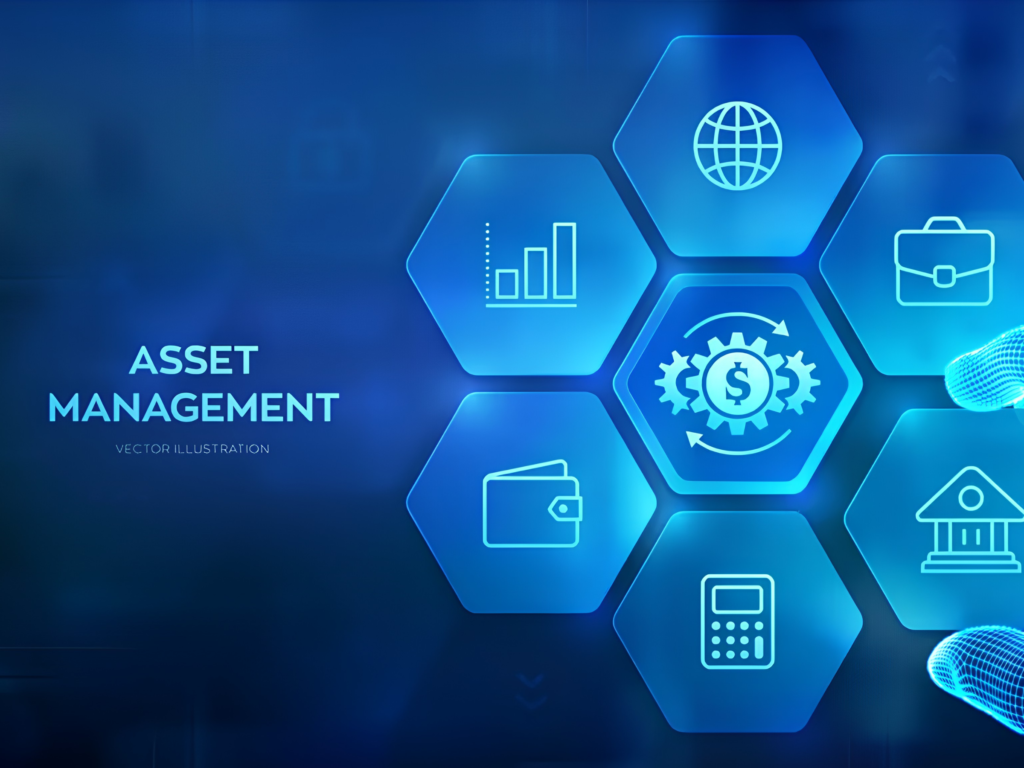
Asset management software helps businesses efficiently track, manage, and maintain both physical and digital assets throughout their lifecycle. Relying on manual processes can often lead to lost records, increased costs, and inefficient use of resources.
By using asset management software, organizations can gain better visibility into their assets, reduce losses, improve resource utilization, and strengthen overall operational control.
What is Asset Management Software?
Asset management software is a digital solution that helps businesses track, organize, and manage assets throughout their entire lifecycle. It enables organizations to maintain accurate asset records, monitor asset usage, and make better decisions to maximize efficiency and resource utilization.
Why Asset Management Software for Businesses is Important
Asset management software helps businesses gain better control over their resources by improving the way assets are tracked, maintained, and utilized.
It helps organizations:
Track Business Assets Efficiently – Maintain accurate records and monitor assets throughout their lifecycle.
Reduce Asset Losses – Improve visibility and accountability to minimize misplaced or unused assets.
Improve Maintenance Planning – Schedule maintenance activities proactively to reduce downtime and extend asset life.
Optimize Resource Utilization – Make better use of available assets to improve productivity and reduce unnecessary costs.
With proper asset tracking and management, businesses can improve operational efficiency and make more informed decisions.
Key Features of Asset Management Software
1. Asset Tracking
Monitor asset locations, usage, and availability to maintain better control over business resources.
2. Maintenance Scheduling
Plan and schedule regular maintenance activities to reduce downtime and extend asset lifespan.
3. Barcode and QR Code Tracking
Simplify asset identification and improve monitoring accuracy with barcode and QR code technology.
4. Asset Lifecycle Management
Track assets throughout their entire lifecycle, from purchase and deployment to replacement or disposal.
5. Reporting and Analytics
Access valuable insights into asset performance, utilization, and maintenance trends to support better decision-making.
Benefits of Asset Management Software for Businesses
1. Improved Asset Visibility
Track asset locations, status, and usage in real time for better control and transparency.
2. Reduced Losses
Minimize the risk of missing, misplaced, or underutilized assets through better tracking and monitoring.
3. Better Maintenance Management
Schedule maintenance proactively to reduce equipment downtime and extend asset lifespan.
4. Cost Savings
Optimize resource utilization and reduce unnecessary expenses by managing assets more efficiently.
5. Better Compliance
Maintain accurate and organized asset records to support audits, compliance requirements, and reporting needs.
Industries Using Asset Management Software
Asset management software is widely used across different industries to improve asset tracking, maintenance, and resource utilization.
Manufacturing Industries – Manage equipment, machinery, and production assets more efficiently.
Healthcare Organizations – Track medical equipment and maintain accurate asset records.
IT Companies – Monitor hardware, software, and digital assets across the organization.
Construction Businesses – Keep track of tools, machinery, and equipment across project sites.
Logistics Companies – Manage vehicles, equipment, and operational assets for smoother workflows.
Businesses across these industries use asset management software to improve visibility, reduce losses, and optimize asset performance.
Signs Your Business Needs Asset Management Software
Your business may benefit from asset management software if managing assets is becoming difficult or inefficient.
Common signs include:
Assets Are Difficult to Track – Limited visibility can make it hard to know where assets are located or how they are being used.
Equipment Maintenance Is Delayed – Missed maintenance schedules can lead to downtime and reduced asset lifespan.
Resource Losses Are Increasing – Misplaced, missing, or underutilized assets can increase operational costs.
Asset Records Are Disorganized – Inaccurate or scattered records make asset management more time-consuming and error-prone.
Implementing asset management software can improve tracking, streamline maintenance, and provide better control over business resources.
How to Choose the Right Asset Management Software
Selecting the right asset management platform is important for improving visibility, control, and long-term efficiency. When evaluating different solutions, consider the following factors:
Ease of Implementation – Choose software that is easy to deploy and adopt across your organization.
Tracking Capabilities – Look for tools that provide accurate and real-time asset tracking features.
Integration Support – Ensure the platform integrates smoothly with your existing systems and workflows.
Reporting Tools – Select software that offers clear reports and insights for better decision-making.
Scalability – Choose a solution that can grow with your business and support future asset management needs.
The right asset management software can help improve asset visibility, streamline operations, and support long-term business growth.
Future of Asset Management Software
Asset management technology is evolving rapidly, helping businesses gain better visibility, improve efficiency, and make smarter decisions about their resources.
Key trends shaping the future include:
AI-Powered Monitoring – Use intelligent systems to track asset performance and identify potential issues early.
Cloud Asset Management – Access asset information from anywhere with flexible, cloud-based platforms.
IoT-Enabled Tracking – Connect assets through smart devices and sensors for real-time monitoring and tracking.
Predictive Maintenance – Use data and analytics to anticipate maintenance needs before equipment failures occur.
These emerging technologies are helping businesses improve efficiency, increase asset visibility, and create more proactive asset management strategies.
Conclusion
Asset management software helps businesses improve asset tracking, reduce losses, and increase operational efficiency. By adopting digital asset management systems, organizations can optimize resource utilization, streamline processes, and boost overall productivity while maintaining better control over business assets.