
Complaint Management Software: Resolve Customer Issues Faster and Build Trust
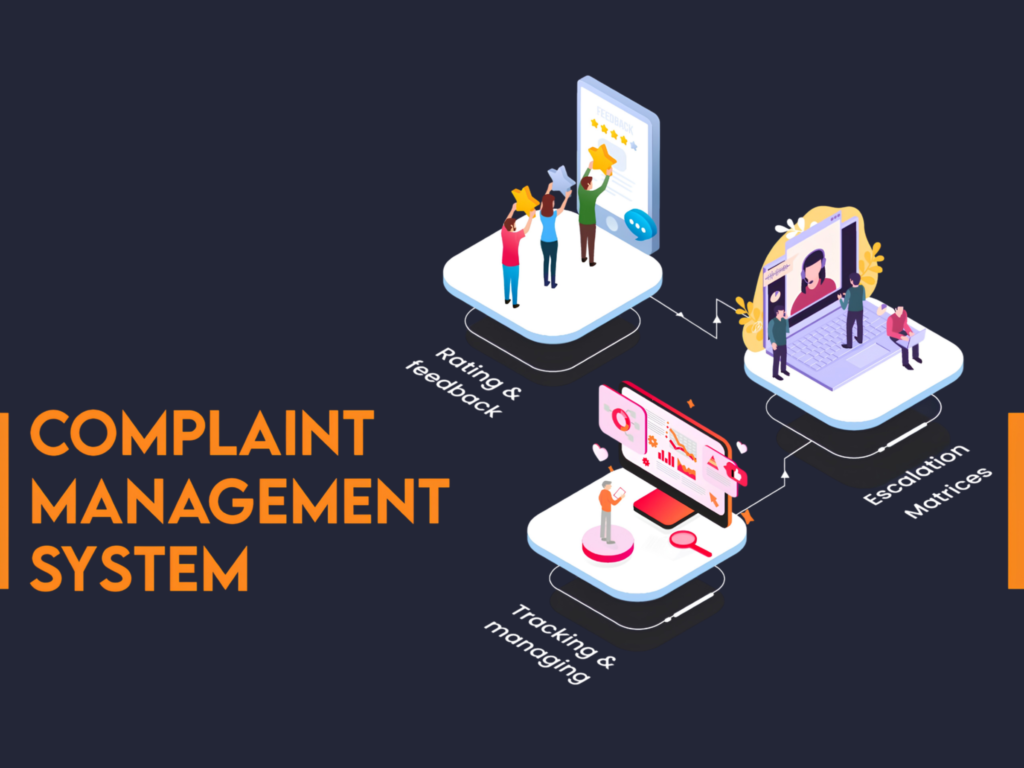
Complaint management software helps businesses capture, organize, track, and resolve customer complaints from a single centralized platform. As organizations grow and customer interactions increase, relying on emails, phone calls, or spreadsheets to manage complaints can lead to missed requests, delayed responses, and inconsistent service.
A Complaint Management System (CMS) simplifies the entire complaint-handling process by bringing all customer concerns into one place. It enables teams to assign cases, monitor progress, prioritize urgent issues, and communicate more effectively throughout the resolution process.
By automating workflows and providing complete visibility into every complaint, businesses can respond faster, resolve issues more efficiently, improve customer satisfaction, and build stronger, long-lasting relationships with their customers.
What is Complaint Management Software?
Complaint management software is a digital solution that helps organizations efficiently capture, track, manage, and resolve customer complaints from a single, centralized platform. Instead of handling complaints through scattered emails, phone calls, or manual records, businesses can assign cases to the right teams, monitor their progress, and ensure every issue is resolved promptly.
The software provides complete visibility into each complaint by maintaining detailed records of customer interactions, actions taken, resolution timelines, and outcomes. This makes it easier to track performance, improve accountability, and maintain accurate documentation for future reference or regulatory compliance.
Beyond resolving individual complaints, complaint management software helps businesses identify recurring issues, understand customer concerns, and turn valuable feedback into actionable insights. By continuously improving products, services, and support processes, organizations can enhance customer satisfaction, strengthen brand reputation, and build long-term customer trust.
Why Businesses Need Complaint Management Software
Complaint management software helps organizations handle customer concerns in a more organized, efficient, and transparent way. By centralizing complaints and automating the resolution process, businesses can respond faster, improve service quality, and build stronger customer relationships.
Some of the key benefits include:
Centralized Complaint Management – Capture and manage all customer complaints in one place, making it easier to track cases and ensure no issue is overlooked.
Faster Issue Resolution – Assign complaints to the right teams, automate workflows, and monitor progress to resolve customer concerns more quickly.
Improved Customer Satisfaction – Provide timely updates and faster resolutions, helping customers feel heard and valued while strengthening their trust in your business.
Real-Time Complaint Tracking – Monitor the status of every complaint from submission to resolution, giving both teams and managers complete visibility into the process.
Identify Recurring Business Problems – Analyze complaint trends and recurring issues to uncover root causes and make improvements to products, services, or internal processes.
Enhanced Team Accountability – Clearly assign responsibilities, track response times, and measure team performance to ensure every complaint is handled efficiently.
Improved Service Quality – Use customer feedback and complaint data to continuously refine operations, enhance service delivery, and create better customer experiences.
A well-structured Complaint Management System (CMS) enables businesses to resolve issues proactively, improve operational efficiency, and turn customer feedback into opportunities for continuous improvement. By handling complaints effectively, organizations can strengthen customer loyalty, protect their reputation, and deliver consistently high-quality service.
Key Features of Complaint Management Software
Complaint management software provides powerful features that help businesses efficiently capture, track, manage, and resolve customer complaints. By centralizing the entire complaint-handling process, organizations can improve response times, enhance customer satisfaction, and ensure every concern is addressed effectively.
Complaint Registration – Capture customer complaints from multiple channels, including email, phone calls, website forms, customer portals, and other communication platforms, ensuring every issue is recorded in one centralized system.
Case Assignment – Automatically assign complaints to the appropriate department, team, or support representative based on predefined rules, helping speed up the resolution process.
Status Tracking – Monitor the progress of every complaint from initial submission to final resolution with real-time updates and complete visibility into each case.
Workflow Automation – Automate routine tasks such as notifications, escalations, approvals, reminders, and follow-ups to improve efficiency and ensure complaints are handled on time.
Customer Communication – Keep customers informed throughout the resolution process by sending automated updates, acknowledgments, and status notifications, improving transparency and trust.
Reports and Analytics – Generate detailed reports and dashboards to track complaint volumes, resolution times, customer satisfaction levels, team performance, and recurring issues that require attention.
These features help businesses streamline complaint management, improve collaboration between teams, reduce response times, and deliver a more consistent and positive customer service experience.
Benefits of Complaint Management Software
Complaint management software helps businesses resolve customer concerns more efficiently while improving service quality and operational performance. By automating complaint handling and providing complete visibility into every case, organizations can respond faster, increase customer satisfaction, and continuously improve their products and services.
Faster Complaint Resolution – Streamline the complaint process with automated workflows, clear task assignments, and timely notifications, allowing teams to resolve issues more quickly.
Improved Customer Satisfaction – Keep customers informed throughout the resolution process with transparent communication and timely updates, helping build trust and strengthen customer relationships.
Better Team Productivity – Reduce manual tasks, organize complaint handling in one centralized system, and enable support teams to focus on resolving issues instead of managing paperwork.
Data-Driven Improvements – Analyze complaint trends and recurring issues to identify root causes, improve products and services, and optimize internal business processes.
Regulatory Compliance – Maintain accurate and complete complaint records, communication history, and resolution details to support audits and meet industry compliance requirements.
By implementing a Complaint Management System (CMS), businesses can handle customer concerns more effectively, improve team efficiency, strengthen customer loyalty, and use valuable feedback to drive continuous improvement across the organization.
Industries Using Complaint Management Software
Complaint management software is widely used across industries where delivering excellent customer service and resolving concerns quickly are essential. Any organization that receives customer feedback or complaints can benefit from a centralized system that helps manage cases efficiently and ensures every issue is addressed promptly.
Some of the industries that commonly use complaint management software include:
Banking and Financial Services – Manage customer complaints related to accounts, transactions, loans, and financial services while ensuring timely resolution and regulatory compliance.
Healthcare Organizations – Handle patient feedback, service-related concerns, and complaints efficiently to improve the quality of care and patient satisfaction.
Insurance Companies – Track policyholder complaints, claims-related issues, and service requests while maintaining clear communication throughout the resolution process.
Retail Businesses – Resolve customer concerns related to products, orders, returns, and in-store experiences to strengthen customer loyalty.
Telecommunications – Manage complaints regarding network services, billing, connectivity, and customer support to improve service quality.
Educational Institutions – Address concerns raised by students, parents, and staff regarding academic, administrative, or campus-related services in a structured manner.
Manufacturing Companies – Record and resolve customer complaints related to product quality, delivery, or after-sales support while identifying opportunities for product improvement.
Government Departments – Efficiently manage public grievances, service requests, and citizen complaints while improving transparency and accountability.
Hospitality Businesses – Handle guest feedback and complaints related to accommodations, facilities, and services to deliver a better customer experience.
E-commerce Companies – Manage complaints related to orders, deliveries, payments, returns, and customer support through a streamlined and organized process.
Organizations of all sizes that interact with customers can benefit from a Complaint Management System (CMS). By centralizing complaint handling, businesses can respond more quickly, improve customer satisfaction, enhance service quality, and build stronger, long-lasting customer relationships.
Signs Your Business Needs Complaint Management Software
As your business grows, managing customer complaints through emails, phone calls, spreadsheets, or paper records can become time-consuming and difficult to control. If complaints are taking longer to resolve or important follow-ups are being missed, it may be time to implement a complaint management solution.
Your organization may benefit from complaint management software if:
Complaints Are Managed Manually – Relying on manual processes makes it difficult to organize, track, and respond to customer concerns consistently.
Resolution Times Are Increasing – Delayed responses and unresolved cases can affect customer satisfaction and damage your brand’s reputation.
Customer Dissatisfaction Is Rising – Frequent complaints, negative feedback, or declining customer loyalty may indicate the need for a more structured complaint-handling process.
Complaint Records Are Difficult to Retrieve – If finding previous complaints, communication history, or resolution details takes too much time, a centralized system can improve accessibility and organization.
Follow-Ups Are Frequently Missed – Missed reminders and delayed updates can leave customers frustrated and reduce confidence in your service.
Managers Lack Visibility into Complaint Status – Without real-time insights, it becomes difficult to monitor team performance, track complaint progress, and ensure timely resolutions.
If your organization is experiencing any of these challenges, a Complaint Management System (CMS) can help streamline complaint handling, automate workflows, improve team accountability, and ensure every customer concern is managed efficiently. The result is faster resolutions, better customer experiences, and stronger long-term customer relationships.
How to Choose the Right Complaint Management Software
Selecting the right complaint management software is essential for delivering faster resolutions, improving customer satisfaction, and ensuring every complaint is handled efficiently. The ideal solution should simplify complaint handling, automate routine tasks, and provide complete visibility into every stage of the resolution process.
When evaluating complaint management software, look for features such as:
Complaint Tracking – Record, monitor, and manage every complaint from submission to resolution, ensuring no customer concern is overlooked.
Workflow Automation – Automate complaint routing, notifications, escalations, approvals, and follow-up reminders to reduce manual effort and speed up resolution.
Case Assignment – Automatically assign complaints to the appropriate department or support representative, ensuring accountability and quicker response times.
Customer Notifications – Keep customers informed with automatic updates, acknowledgments, and status notifications throughout the complaint resolution process.
Dashboard Reporting – Access real-time dashboards and detailed reports to monitor complaint volumes, response times, resolution rates, and overall team performance.
Role-Based Permissions – Control user access by assigning permissions based on roles, ensuring sensitive complaint information remains secure.
Mobile Accessibility – Enable support teams to view, update, and manage complaints from anywhere using mobile devices, improving responsiveness and productivity.
Cloud Deployment – Securely access complaint data from any location, making it easier to support remote teams and manage operations across multiple offices.
CRM Integration – Connect with your Customer Relationship Management (CRM) system to provide support teams with complete customer information and interaction history.
Document Management – Store complaint records, supporting documents, communication history, and evidence in one centralized location for easy access and compliance.
The right Complaint Management System (CMS) should meet your organization’s current needs while offering the flexibility to grow with your business. By choosing a scalable, user-friendly solution, you can streamline complaint handling, improve service quality, strengthen customer relationships, and deliver a consistently better customer experience.
Future of Complaint Management Software
Complaint management software is continuously evolving as businesses adopt smarter technologies to improve customer service and streamline complaint resolution. Modern solutions are becoming more intelligent, automated, and data-driven, helping organizations respond faster, enhance customer experiences, and build stronger customer relationships.
Some of the key trends shaping the future of complaint management include:
AI-Powered Complaint Classification – Artificial intelligence can automatically categorize complaints based on their type, urgency, and priority, helping teams handle cases more efficiently.
Intelligent Case Routing – Advanced routing systems automatically assign complaints to the most appropriate department or support representative, reducing response times and improving resolution accuracy.
Sentiment Analysis – AI-powered sentiment analysis evaluates customer messages to understand emotions and identify high-priority or sensitive cases that require immediate attention.
Predictive Customer Service Analytics – Analyze complaint patterns and historical data to identify recurring issues, anticipate customer needs, and prevent future problems before they escalate.
Chatbot-Assisted Complaint Registration – AI-powered chatbots allow customers to register complaints quickly, provide instant acknowledgments, and collect important information before a support agent takes over.
Cloud-Based Collaboration – Cloud technology enables support teams across different locations to access complaint data, collaborate in real time, and manage cases from anywhere.
Automated Customer Feedback Analysis – Analyze customer feedback from multiple channels to uncover trends, measure satisfaction levels, and identify opportunities to improve products, services, and support processes.
As these technologies continue to advance, complaint management software will become even more proactive and customer-focused. Organizations that embrace these innovations will be better equipped to resolve complaints faster, improve service quality, increase customer satisfaction, and build long-term customer loyalty.
Conclusion
Complaint management software helps businesses efficiently manage customer complaints from the moment they are submitted until they are fully resolved. By replacing manual processes with automated workflows, organizations can ensure every complaint is tracked, assigned, and handled in a timely and consistent manner.
With features such as complaint tracking, workflow automation, case assignment, real-time reporting, and customer notifications, businesses gain better visibility into their complaint-handling process while improving team efficiency and accountability. This leads to faster resolutions, higher customer satisfaction, and more effective service delivery.
Beyond resolving individual complaints, a Complaint Management System (CMS) provides valuable insights into recurring issues and customer feedback, enabling organizations to continuously improve their products, services, and internal processes. Whether your business serves hundreds or thousands of customers, investing in the right complaint management software helps strengthen customer relationships, enhance service quality, and support long-term business growth.