Compliance Management Software: Simplify Regulatory Compliance and Reduce Business Risks
Compliance management software helps organizations stay on top of regulatory requirements, manage compliance activities efficiently, and reduce operational risks. As businesses grow and regulations become more complex, relying on spreadsheets, paper records, or manual processes can increase the risk of errors, missed deadlines, and compliance violations.
A Compliance Management System (CMS) brings all compliance-related activities into one centralized platform, making it easier to manage policies, procedures, audits, regulatory documents, and compliance records. By automating routine tasks and providing better visibility into compliance processes, organizations can stay organized, prepare for inspections with confidence, and ensure they consistently meet industry standards and legal requirements.
With a structured and proactive approach to compliance, businesses can minimize risks, improve accountability, strengthen governance, and focus on their core operations while maintaining regulatory compliance.
What is Compliance Management Software?
Compliance management software is a digital solution that helps businesses efficiently manage regulatory requirements, internal policies, certifications, and compliance documentation from a single, centralized platform. Instead of relying on spreadsheets or manual record-keeping, organizations can automate compliance processes, stay organized, and keep important information easily accessible.
The software streamlines everyday compliance tasks by tracking deadlines, managing audit results, monitoring regulatory requirements, and maintaining accurate compliance records. It also helps organizations demonstrate compliance with applicable laws, industry standards, and internal policies during inspections and audits.
By providing real-time visibility into compliance activities and automating routine workflows, compliance management software reduces administrative effort, minimizes the risk of non-compliance, and enables businesses to manage their compliance responsibilities with greater confidence and efficiency.
Why Businesses Need Compliance Management Software
Compliance management software helps organizations simplify regulatory compliance, reduce risks, and maintain consistent compliance practices across the business. By bringing compliance-related activities into one centralized platform, it becomes easier to monitor requirements, manage documentation, and stay prepared for audits and inspections.
Some of the key benefits include:
Meet Regulatory Requirements – Stay compliant with industry regulations and legal standards by managing compliance activities in a structured and organized way.
Reduce Legal and Financial Risks – Identify potential compliance issues early, helping your organization avoid penalties, legal complications, and costly fines.
Automate Compliance Monitoring – Replace manual tracking with automated workflows that monitor compliance tasks, deadlines, and regulatory obligations in real time.
Simplify Audit Preparation – Keep compliance records, policies, and supporting documents organized, making internal and external audits faster and less stressful.
Maintain Accurate Documentation – Store compliance-related documents securely in one place, ensuring information is always up to date and easy to access.
Track Policy Updates – Monitor changes to internal policies and regulatory requirements, helping employees stay informed and ensuring compliance across the organization.
Improve Accountability Across Departments – Assign responsibilities, track progress, and ensure every department follows the organization’s compliance policies and procedures.
By centralizing compliance activities, businesses can reduce manual errors, strengthen governance, improve operational efficiency, and stay well prepared for regulatory inspections and changing compliance requirements.
Key Features of Compliance Management Software
Compliance management software includes a range of features that help organizations stay organized, meet regulatory requirements, and simplify compliance processes. By automating routine tasks and centralizing important information, businesses can reduce risks and improve overall compliance management.
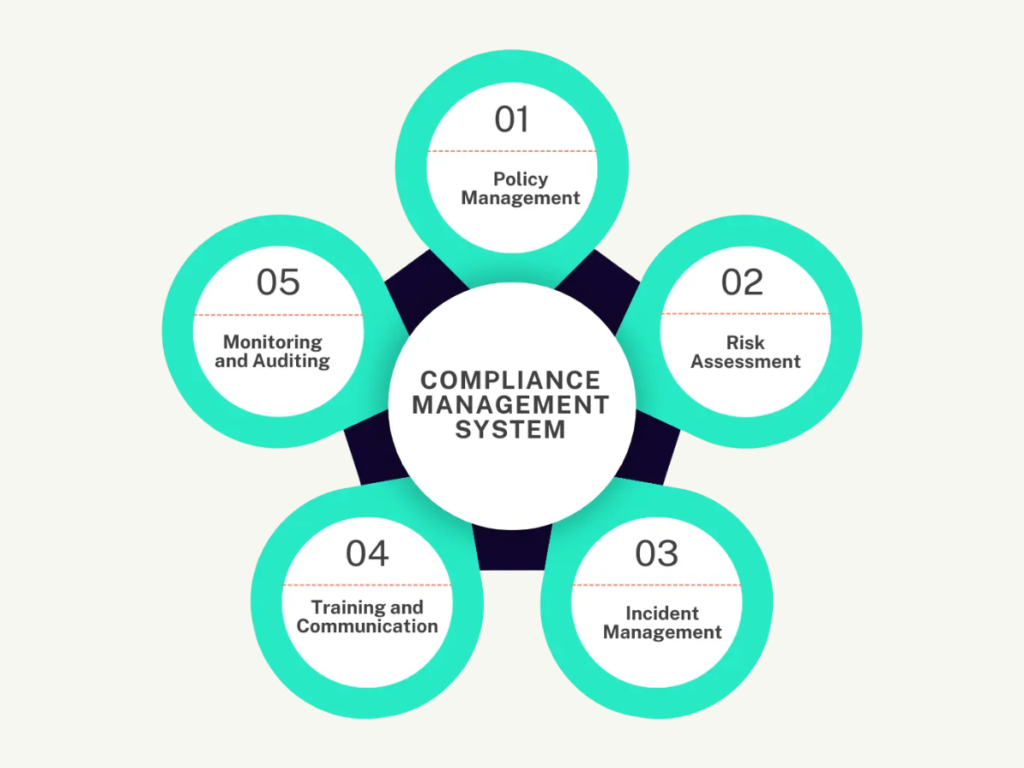
Policy Management – Store, update, and distribute company policies, procedures, and compliance guidelines from one secure, centralized platform. This ensures employees always have access to the latest approved documents.
Audit Management – Plan and manage internal and external audits with ease. Record audit findings, assign corrective actions, and track progress until every issue is resolved.
Risk Assessment – Identify potential compliance risks, evaluate their impact, and implement preventive measures before they become larger problems.
Document Control – Securely manage compliance documents with version control, approval workflows, and controlled access to ensure accuracy and consistency.
Automated Alerts – Receive timely notifications for policy reviews, certification renewals, upcoming audits, regulatory deadlines, and other important compliance activities, helping you stay on schedule.
Compliance Reporting – Generate detailed reports and dashboards that provide insights into compliance performance, support audits, and help management make informed decisions.
These features help organizations streamline compliance activities, improve accountability, reduce manual effort, and maintain compliance with confidence while supporting continuous improvement.
Benefits of Compliance Management Software
Compliance management software helps organizations stay compliant with regulations while making everyday compliance activities more efficient. By automating processes and centralizing compliance information, businesses can reduce risks, save time, and build a stronger culture of accountability.
Reduced Compliance Risks – Continuously monitor compliance activities, identify potential issues early, and take corrective action before they become serious legal or operational problems.
Faster Audits – Keep compliance documents, audit records, and supporting evidence organized in one place, making internal and external audits quicker and less stressful.
Improved Operational Efficiency – Automate routine compliance tasks, reminders, approvals, and reporting to reduce administrative workload and allow teams to focus on higher-value activities.
Better Decision-Making – Access real-time dashboards, compliance metrics, and detailed reports that provide valuable insights for informed and proactive decision-making.
Enhanced Business Reputation – Demonstrate your commitment to regulatory compliance, quality standards, and good corporate governance, helping build trust with customers, partners, regulators, and stakeholders.
By streamlining compliance management and improving visibility across the organization, compliance management software helps businesses reduce risk, increase efficiency, strengthen governance, and maintain long-term regulatory compliance.
Industries Using Compliance Management Software
Compliance management software is used across a wide range of industries to help organizations meet regulatory requirements, reduce compliance risks, and maintain accurate records. Any business that must comply with industry standards, legal regulations, or internal governance policies can benefit from a centralized Compliance Management System (CMS).
Some of the industries that commonly use compliance management software include:
Healthcare – Manage healthcare regulations, patient safety standards, and compliance documentation while maintaining accurate records.
Pharmaceuticals – Ensure compliance with strict regulatory requirements, quality standards, and manufacturing guidelines throughout the product lifecycle.
Banking and Finance – Monitor regulatory obligations, manage risk, and maintain compliance with financial laws and reporting requirements.
Manufacturing – Track quality standards, workplace safety regulations, environmental compliance, and operational procedures.
Information Technology – Support data security, privacy regulations, cybersecurity compliance, and internal governance policies.
Food Processing – Maintain food safety standards, quality controls, and regulatory compliance across production and distribution processes.
Construction – Manage workplace safety regulations, project compliance, certifications, and documentation throughout every stage of construction.
Education – Ensure compliance with educational regulations, accreditation requirements, and institutional policies.
Government Organizations – Maintain transparency, regulatory compliance, policy management, and secure record-keeping for public sector operations.
Logistics – Monitor transportation regulations, supply chain compliance, safety standards, and operational documentation.
Organizations operating in regulated industries benefit greatly from compliance management software, as it simplifies regulatory processes, strengthens governance, reduces operational risks, and helps maintain ongoing compliance with confidence.
Signs Your Business Needs Compliance Management Software
As regulatory requirements become more complex, managing compliance manually can quickly become time-consuming and difficult to control. If your organization is experiencing any of the following challenges, it may be time to implement a Compliance Management System (CMS):
Compliance Records Are Stored Manually – Managing compliance documents in spreadsheets or paper files increases the risk of errors, lost information, and inefficient record-keeping.
Audit Preparation Takes Too Much Time – Collecting documents, reviewing records, and preparing for audits can be stressful and time-consuming without a centralized compliance system.
Regulatory Deadlines Are Frequently Missed – Missing policy reviews, certification renewals, or compliance deadlines can lead to penalties, legal issues, and operational risks.
Policies Are Difficult to Monitor – Keeping track of policy updates, approvals, and employee acknowledgements becomes challenging when processes are handled manually.
Compliance Risks Are Increasing – As your business grows, it becomes more difficult to identify, monitor, and address compliance risks without automated tracking and reporting.
Documentation Is Spread Across Multiple Systems – Storing compliance records in different locations makes it difficult to find information quickly, maintain consistency, and ensure everyone is working with the latest documents.
A compliance management system brings all compliance activities together in one centralized platform, making it easier to manage documentation, monitor deadlines, prepare for audits, and stay aligned with regulatory requirements. This helps organizations reduce risks, improve efficiency, and maintain compliance with greater confidence.
How to Choose the Right Compliance Management Software
Choosing the right compliance management software is essential for staying compliant with regulations, reducing operational risks, and improving overall governance. The ideal solution should simplify compliance processes, automate routine tasks, and adapt to your organization’s changing regulatory requirements.
When evaluating compliance management software, consider features such as:
Policy Management Tools – Easily create, update, distribute, and track company policies and procedures from one centralized platform.
Audit Management Features – Plan and manage internal and external audits, record findings, assign corrective actions, and monitor progress until completion.
Risk Assessment Capabilities – Identify potential compliance risks, evaluate their impact, and take proactive steps to reduce or eliminate them.
Workflow Automation – Automate approvals, reminders, notifications, and other repetitive compliance tasks to improve efficiency and reduce manual effort.
Document Management – Store compliance documents securely with version control, approval workflows, and easy access for authorized users.
Dashboards and Reporting – Access real-time dashboards and detailed reports to monitor compliance performance, identify trends, and support informed decision-making.
Cloud Accessibility – Enable secure access to compliance data from anywhere, allowing teams to collaborate efficiently across multiple locations.
ERP Integration – Integrate with your ERP and other business systems to streamline data sharing and improve operational efficiency.
User Access Controls – Protect sensitive compliance information by assigning role-based permissions and controlling access to important documents and data.
Regulatory Update Tracking – Stay informed about changing regulations and ensure your compliance processes are updated to meet the latest legal and industry requirements.
The right Compliance Management System (CMS) should not only meet your current compliance needs but also grow with your organization. A flexible and scalable solution will help you stay compliant, reduce risks, improve efficiency, and support your long-term compliance and governance goals.
Future of Compliance Management Software
Compliance management software is becoming more intelligent and proactive as organizations adopt advanced technologies to keep pace with changing regulations and growing compliance demands. Modern Compliance Management Systems (CMS) are designed to automate routine tasks, improve visibility, and help businesses identify and address compliance risks before they become major issues.
Some of the key trends shaping the future include:
AI-Powered Compliance Monitoring – Artificial intelligence continuously monitors compliance activities, identifies potential issues, and helps organizations respond more quickly to regulatory requirements.
Predictive Risk Analytics – Advanced analytics use historical and real-time data to identify emerging compliance risks, allowing businesses to take preventive action before problems occur.
Automated Regulatory Updates – Compliance platforms can automatically track regulatory changes and notify organizations when policies, procedures, or documentation need to be updated.
Cloud-Based Compliance Platforms – Cloud technology enables secure access to compliance data from anywhere, making collaboration easier across teams, departments, and multiple business locations.
Mobile Audit Applications – Mobile apps allow auditors and compliance teams to perform inspections, record findings, and complete audit tasks directly from any location.
Intelligent Workflow Automation – Automated workflows simplify approvals, document reviews, notifications, and other routine compliance tasks, reducing manual effort and improving efficiency.
Real-Time Compliance Dashboards – Interactive dashboards provide instant visibility into compliance performance, key metrics, upcoming deadlines, and potential risks, helping management make informed decisions.
As these technologies continue to evolve, compliance management software will help organizations respond more quickly to regulatory changes, reduce compliance risks, improve operational efficiency, and build a stronger culture of governance and accountability.
Conclusion
Compliance management software helps businesses stay organized, meet regulatory requirements, and manage compliance activities with greater efficiency. By bringing policies, audits, compliance records, and reporting into one centralized platform, organizations can reduce manual work, improve visibility, and stay on top of changing regulations.
With automated workflows, real-time monitoring, and accurate reporting, businesses can simplify audits, strengthen governance, improve accountability, and minimize compliance risks. Investing in the right Compliance Management System (CMS) not only helps organizations maintain compliance with confidence but also supports better decision-making, operational efficiency, and long-term business success.