Learning Management Software: Transform Employee Training and Online Learning
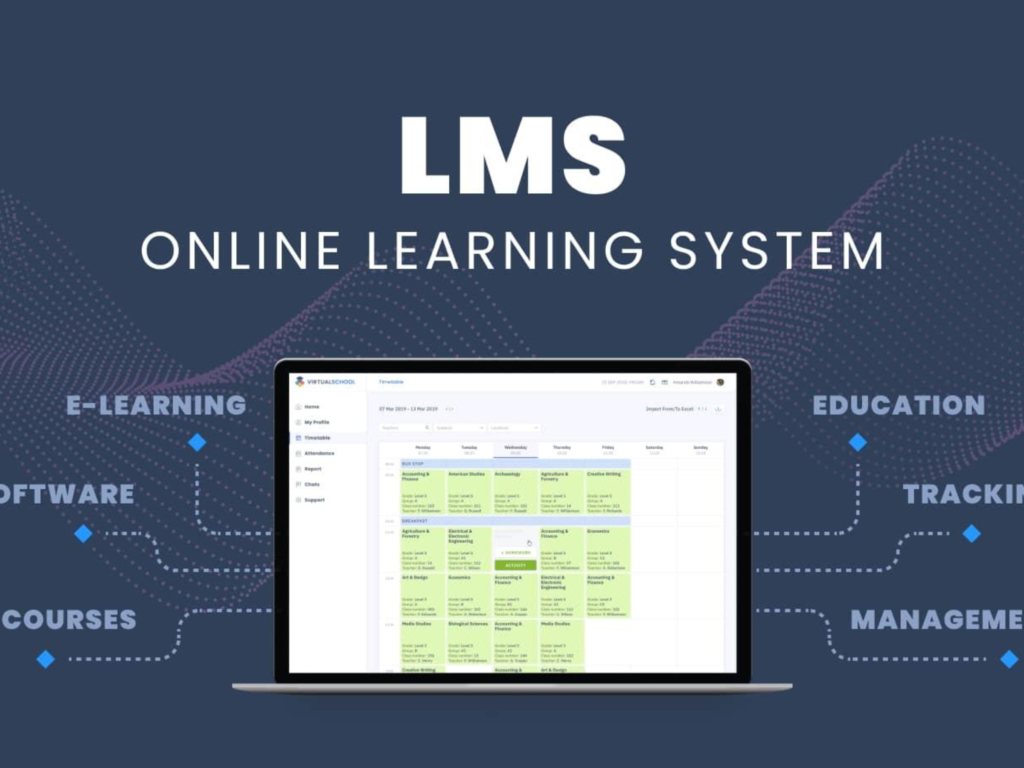
Learning management software helps businesses, educational institutions, and training organizations deliver, manage, and monitor learning programs from one centralized platform. As the demand for employee training, professional development, and online education continues to grow, managing courses manually can become time-consuming, inefficient, and difficult to scale.
A learning management system (LMS) simplifies the entire training process by allowing organizations to create courses, deliver learning content, track learner progress, assess performance, and generate detailed reports – all in one place. Learners can access training materials anytime and from any device, making learning more flexible and convenient.
By centralizing learning resources and automating administrative tasks, an LMS helps organizations improve training efficiency, enhance learner engagement, ensure consistent knowledge delivery, and support continuous learning and development across the organization.
What is Learning Management Software?
Learning management software helps businesses, educational institutions, and training organizations deliver, manage, and monitor learning programs from one centralized platform. As the demand for employee training, professional development, and online education continues to grow, managing courses manually can become time-consuming, inefficient, and difficult to scale.
A learning management system (LMS) simplifies the entire training process by allowing organizations to create courses, deliver learning content, track learner progress, assess performance, and generate detailed reports – all in one place. Learners can access training materials anytime and from any device, making learning more flexible and convenient.
By centralizing learning resources and automating administrative tasks, an LMS helps organizations improve training efficiency, enhance learner engagement, ensure consistent knowledge delivery, and support continuous learning and development across the organization.
Why Businesses Need Learning Management Software
Learning management software helps organizations deliver effective training, improve employee development, and manage learning programs more efficiently from a single platform.
It enables organizations to:
Deliver Training Remotely – Provide employees, students, or learners with access to online courses anytime and from anywhere, supporting remote and hybrid learning environments.
Monitor Learning Progress – Track course completion, learner performance, assessments, and overall progress in real time to ensure training goals are achieved.
Reduce Training Costs – Minimize expenses related to classroom sessions, printed materials, travel, and instructor-led training by offering digital learning experiences.
Improve Employee Skills – Support continuous learning with engaging training programs that help employees build new skills and stay up to date with industry knowledge.
Standardize Learning Programs – Deliver consistent training content across departments, teams, and locations, ensuring every learner receives the same high-quality learning experience.
Simplify Certification Tracking – Manage certifications, renewals, and compliance training from one place, with automated reminders to help learners stay current.
By centralizing training content and automating learning management, a learning management system helps organizations build a culture of continuous learning, improve workforce performance, and support long-term business growth.
Key Features of Learning Management Software
1. Course Management
Create, organize, and deliver engaging online courses with ease. Manage training materials, lessons, multimedia content, and learning paths from a single platform.
2. User Management
Enroll learners, assign user roles, manage permissions, and organize individuals or groups to ensure the right people have access to the right training programs.
3. Assessments and Quizzes
Measure learner understanding through quizzes, tests, assignments, and assessments, helping evaluate knowledge retention and overall learning outcomes.
4. Progress Tracking
Track course completion, certifications, learner performance, and training milestones in real time, making it easy to monitor individual and team progress.
5. Reports and Analytics
Generate detailed reports and dashboards to analyze learner engagement, course completion rates, assessment results, and the overall effectiveness of your training programs.
These powerful features help organizations deliver high-quality training, improve learner engagement, monitor performance, and build a more skilled and knowledgeable workforce.
Benefits of Learning Management Software
1. Flexible Learning
Give employees, students, and learners the freedom to access courses anytime, anywhere, and from any device, making learning more convenient and accessible.
2. Improved Productivity
Reduce the time and effort required for classroom-based training by delivering learning programs online, allowing learners to train at their own pace without disrupting daily work.
3. Consistent Training
Ensure every learner receives the same high-quality training materials, helping maintain consistency across departments, teams, and locations.
4. Lower Training Costs
Reduce expenses related to travel, printed materials, venue bookings, and instructor-led sessions by delivering training through a digital learning platform.
5. Better Performance Insights
Track learner progress, course completion, assessment results, and overall training effectiveness with detailed reports and real-time analytics.
By centralizing learning and automating training management, learning management software helps organizations improve knowledge sharing, increase learner engagement, reduce training costs, and build a skilled workforce that supports long-term business success.
Industries Using Learning Management Software
Learning management software is widely used across many industries to deliver training, improve knowledge sharing, and support continuous learning and development.
Corporate Organizations – Train employees, onboard new hires, develop leadership skills, and ensure compliance with company policies through structured learning programs.
Educational Institutions – Deliver online courses, manage student learning, conduct assessments, and monitor academic progress from a centralized platform.
Healthcare Organizations – Provide medical training, certification programs, compliance education, and continuous professional development for healthcare staff.
Manufacturing Companies – Train employees on workplace safety, operational procedures, quality standards, and technical skills to improve productivity and compliance.
Government Agencies – Deliver employee training, policy updates, regulatory education, and professional development programs across departments.
Financial Institutions – Educate employees on compliance, risk management, financial regulations, cybersecurity, and customer service best practices.
IT and Software Companies – Support technical training, certification programs, product education, and continuous skill development for employees and customers.
Any organization that values employee development, education, or professional training can benefit from a learning management system. By centralizing learning content, tracking progress, and automating training administration, an LMS helps improve engagement, build skills, and create a culture of continuous learning.
Signs Your Business Needs Learning Management Software
As your organization grows, managing training and employee development manually can become time-consuming and difficult to maintain. If you’re facing any of the following challenges, it may be time to implement a learning management system (LMS):
Training Records Are Managed Manually – Keeping track of course completions, certifications, and employee training using spreadsheets or paper records can lead to errors and consume valuable time.
Employees Struggle to Access Learning Materials – When training resources are scattered across different platforms or locations, employees may find it difficult to access the information they need.
Certification Tracking Is Difficult – Monitoring certification renewals and compliance requirements manually increases the risk of missed deadlines and expired certifications.
Onboarding New Employees Takes Too Much Time – A lengthy and inconsistent onboarding process can delay employee productivity and create an uneven learning experience for new hires.
Training Consistency Is Difficult to Maintain – Delivering the same training content across multiple teams, departments, or locations can be challenging without a centralized learning platform.
A learning management system helps solve these challenges by centralizing training content, automating course delivery, tracking learner progress, and managing certifications from one platform. This enables organizations to improve training efficiency, ensure consistent learning experiences, and build a more skilled and productive workforce.
How to Choose the Right Learning Management Software
Choosing the right learning management software is essential for delivering effective training, improving learner engagement, and supporting long-term employee development. Before selecting a platform, consider the following features:
Easy Course Creation – Choose an LMS that allows you to create, organize, and update training courses quickly using videos, documents, quizzes, and interactive learning materials.
Mobile Learning Support – Ensure learners can access courses, complete training, and track their progress from smartphones, tablets, or laptops, making learning flexible and accessible from anywhere.
Assessment Tools – Look for built-in quizzes, tests, assignments, and evaluation features that help measure learner understanding and monitor training effectiveness.
Certification Management – Select a platform that automatically issues certificates, tracks certification renewals, and sends reminders to help maintain compliance and professional development.
Reporting and Analytics – Choose software that provides real-time dashboards and detailed reports on learner progress, course completion, assessment results, and overall training performance.
Integration with HR and ERP Systems – Ensure the LMS integrates seamlessly with your HR, ERP, payroll, and other business systems to simplify user management and training administration.
Cloud Accessibility – A cloud-based platform allows learners and administrators to securely access training programs from anywhere while supporting remote and hybrid learning environments.
The right learning management software should not only meet your current training requirements but also scale as your organization grows. A flexible and feature-rich LMS will help you deliver engaging learning experiences, improve workforce skills, and support continuous learning across your organization.
Future of Learning Management Software
Learning management software is evolving rapidly as organizations embrace new technologies to deliver more engaging, personalized, and effective learning experiences. Modern LMS platforms are becoming smarter, more interactive, and data-driven, helping businesses and educational institutions improve training outcomes while supporting continuous learning.
Key trends shaping the future include:
AI-Powered Personalized Learning – Artificial intelligence recommends courses, learning resources, and training paths based on each learner’s skills, progress, and learning goals.
Adaptive Learning Paths – Training programs automatically adjust to a learner’s performance, ensuring each individual receives content that matches their pace and knowledge level.
Mobile-First Training Platforms – Learners can access courses, complete assessments, and continue their training anytime and from any device, making learning more flexible and convenient.
Gamification Features – Interactive elements such as badges, points, leaderboards, and rewards make learning more engaging, motivating learners to complete courses and improve performance.
Advanced Learning Analytics – Real-time dashboards and detailed reports provide valuable insights into learner progress, course effectiveness, and overall training performance, helping organizations make informed decisions.
Virtual and Augmented Reality Training – Immersive VR and AR experiences allow learners to practice real-world scenarios in a safe, interactive environment, improving skill development and knowledge retention.
As these technologies continue to advance, learning management software will help organizations deliver more engaging training, improve learner participation, enhance knowledge retention, and build a highly skilled workforce ready for future challenges.
Conclusion
Learning management software is an essential solution for organizations that want to deliver high-quality training, improve learner engagement, and manage education programs more efficiently. By bringing course creation, training delivery, learner progress, assessments, and reporting together on a single platform, it simplifies the entire learning process for both administrators and learners.
With anytime, anywhere access to training content, real-time progress tracking, and automated learning management, organizations can build a more skilled workforce, ensure consistent knowledge sharing, and support continuous professional development. Investing in the right learning management software not only reduces training costs and administrative effort but also improves learning outcomes, boosts employee performance, and creates a strong foundation for long-term organizational growth.