
Manufacturing ERP Software: Streamlining Production and Operations
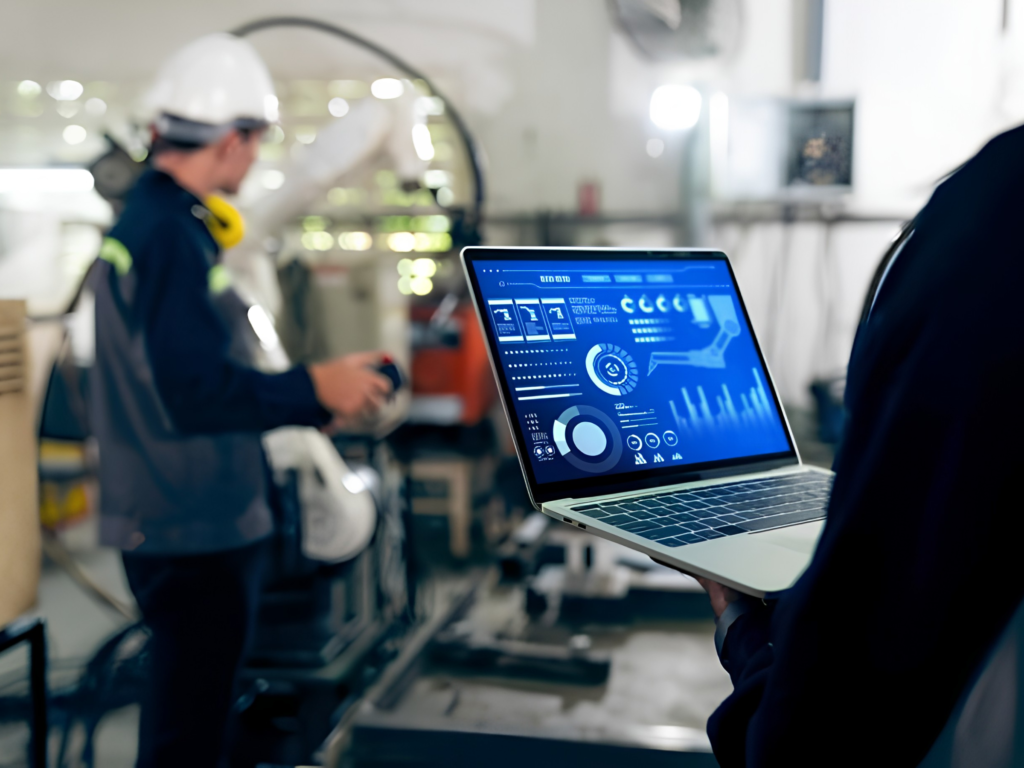
Manufacturing ERP software helps manufacturers manage key business functions such as production, inventory, procurement, sales, and finance through a single integrated platform. As manufacturing operations grow in size and complexity, having complete visibility and control over processes becomes essential for maintaining efficiency and competitiveness.
By centralizing data and automating workflows, an ERP system streamlines daily operations, improves productivity, reduces operational challenges, and enables manufacturers to make informed, data-driven decisions that support long-term growth.
What is Manufacturing ERP Software?
Manufacturing ERP software is a comprehensive business management solution built specifically for manufacturing companies. It brings together key departments such as production, inventory, procurement, sales, and finance into a single system, providing real-time access to critical business information.
By connecting processes and centralizing data, manufacturing ERP software helps businesses manage resources more efficiently, improve production performance, streamline operations, and make better-informed decisions.
Why Manufacturing Businesses Need ERP Software
Manufacturing ERP software helps businesses streamline operations by connecting key processes and providing greater visibility across the organization.
It helps manufacturers:
Improve Production Planning – Plan and schedule production activities more effectively to meet demand and avoid disruptions.
Manage Inventory Efficiently – Maintain optimal stock levels and gain better control over raw materials and finished goods.
Reduce Operational Delays – Identify bottlenecks early and keep workflows running smoothly.
Increase Productivity – Automate routine tasks and improve coordination between departments.
Improve Resource Utilization – Make better use of equipment, materials, and workforce resources to maximize efficiency.
By bringing all business functions together in one platform, a centralized ERP system eliminates disconnected processes, improves collaboration, and helps manufacturers operate more efficiently.
Key Features of Manufacturing ERP Software
1. Production Planning
Plan, schedule, and manage manufacturing activities more effectively to ensure smooth production and timely delivery.
2. Inventory Management
Track raw materials, work-in-progress items, and finished products in real time for better inventory control.
3. Procurement Management
Simplify purchasing processes, manage supplier relationships, and ensure materials are available when needed.
4. Quality Control
Monitor product quality at every stage of production to maintain standards and reduce defects.
5. Reporting and Analytics
Access real-time reports and performance insights to support better decision-making and continuous improvement.
These features help manufacturers streamline operations, improve efficiency, and maintain greater control over their production processes.
Benefits of Manufacturing ERP Software
1. Improved Operational Efficiency
Automate routine processes and reduce manual work, allowing teams to focus on more productive activities.
2. Better Inventory Control
Maintain accurate inventory levels, prevent stock shortages, and reduce excess inventory and wastage.
3. Enhanced Production Visibility
Gain real-time insights into production activities, helping managers monitor progress and address issues quickly.
4. Improved Decision-Making
Access accurate, up-to-date business data to support smarter planning, forecasting, and strategic decisions.
5. Cost Reduction
Identify inefficiencies, optimize resource utilization, and reduce unnecessary operational expenses.
By streamlining processes and providing better visibility across operations, manufacturing ERP software helps businesses improve productivity, control costs, and drive sustainable growth.
Common Challenges Solved by ERP Software
Many manufacturers face operational challenges that can impact productivity, profitability, and overall business performance.
Common issues include:
- Production Delays – Inefficient scheduling and process bottlenecks can slow down manufacturing operations.
- Inventory Shortages – Poor inventory visibility can lead to stock shortages and disruptions in production.
- Data Inaccuracies – Manual data entry and disconnected systems often result in errors and inconsistent information.
- Poor Communication Between Departments – Lack of coordination between teams can create delays and operational inefficiencies.
- Inefficient Resource Planning – Difficulty managing materials, equipment, and workforce resources can affect productivity and increase costs.
Manufacturing ERP software addresses these challenges by centralizing information, automating workflows, and providing real-time visibility across all business operations. This helps manufacturers improve efficiency, enhance collaboration, and make better business decisions.
How to Choose the Right Manufacturing ERP Software
Selecting the right ERP system is a critical decision that can have a lasting impact on your business operations and growth. Before making a choice, consider the following factors:
Business Requirements – Identify your current challenges, goals, and operational needs to ensure the software aligns with your business processes.
Industry-Specific Features – Look for an ERP solution designed for manufacturing, with features that support production, inventory, procurement, and quality management.
Scalability – Choose a system that can grow with your business and adapt to future operational demands.
Ease of Use – Ensure the software is user-friendly and easy for employees to adopt and use effectively.
Integration Capabilities – Select a solution that integrates seamlessly with your existing tools and business systems.
Customer Support – Reliable support and training services can help ensure a smooth implementation and long-term success.
Choosing the right ERP solution can streamline operations, improve efficiency, and provide a strong foundation for sustainable business growth.
Future of Manufacturing ERP Software
Modern ERP systems are evolving with:
- Artificial intelligence
- Cloud-based deployment
- Predictive analytics
- Smart factory integration
- Real-time business intelligence
These innovations help manufacturers stay competitive and agile.
Conclusion
Manufacturing ERP software is essential for helping manufacturers improve production efficiency, strengthen inventory management, and enhance overall business performance. By bringing critical functions such as production, inventory, procurement, sales, and finance into a single integrated platform, businesses can streamline workflows, increase operational visibility, reduce costs, and make more informed decisions. The result is a more efficient, agile, and scalable manufacturing operation that is better positioned for long-term growth and success.