
Quality Management Software: Improve Product Quality and Business Performance
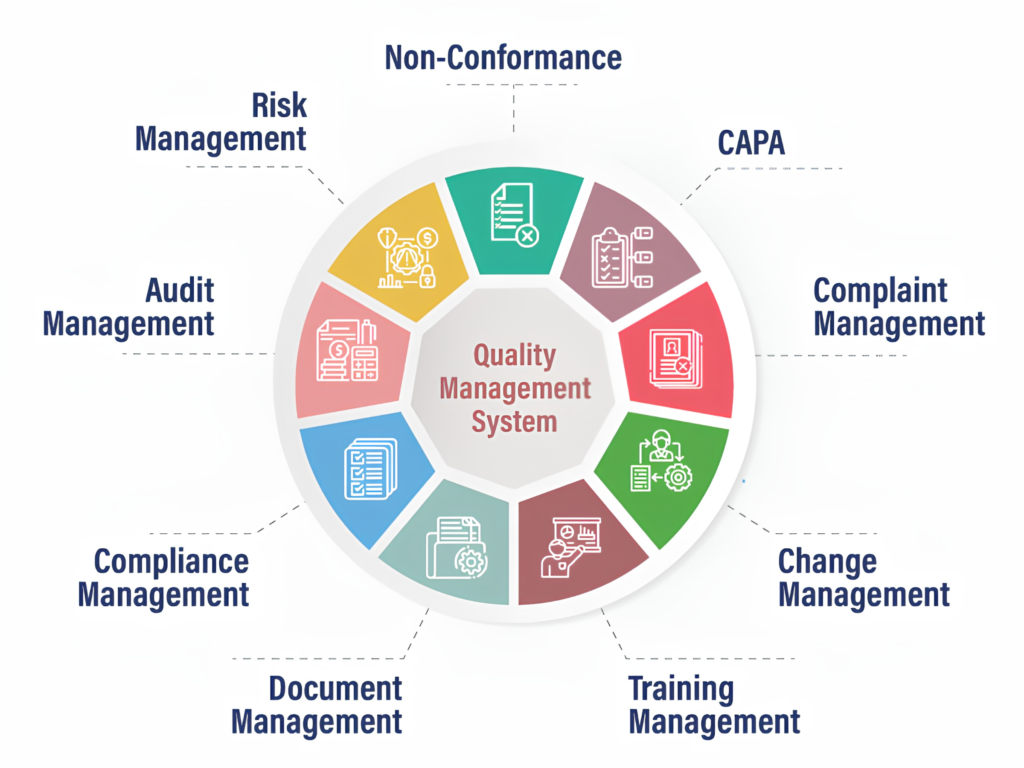
Quality management software helps organizations maintain high-quality standards, improve operational efficiency, and consistently deliver products and services that meet customer expectations. As businesses grow, managing inspections, audits, corrective actions, and compliance through manual processes can become time-consuming, complex, and prone to errors.
A Quality Management System (QMS) brings all quality-related activities together in one centralized platform, making it easier to monitor processes, manage documentation, track corrective actions, and ensure regulatory compliance. By automating quality workflows and providing better visibility into operations, organizations can reduce errors, improve customer satisfaction, support continuous improvement, and build a stronger culture of quality across the business.
What is Quality Management Software?
Quality management software is a digital solution that helps businesses plan, monitor, and improve quality across every stage of their operations. It brings all quality-related activities into one centralized platform, making it easier to maintain consistent standards, meet regulatory requirements, and deliver high-quality products and services.
The software includes tools for managing inspections, audits, document control, non-conformance tracking, corrective and preventive actions (CAPA), supplier quality management, and compliance reporting. By replacing manual processes with automated workflows, organizations can improve accuracy, streamline quality management, and reduce the risk of errors.
With real-time data, detailed reporting, and complete visibility into quality processes, businesses can make informed decisions, resolve issues more quickly, drive continuous improvement, and strengthen customer confidence in their products and services.
Why Businesses Need Quality Management Software
Quality management software helps organizations build a consistent and reliable approach to quality across every department. By centralizing quality processes and automating routine tasks, it enables businesses to improve product quality, meet compliance requirements, and operate more efficiently.
Some of the key benefits include:
Standardize Quality Procedures – Create consistent quality processes and ensure every team follows the same standards across the organization.
Reduce Product Defects – Identify quality issues early, minimize errors, and reduce the number of defects before products reach customers.
Improve Customer Satisfaction – Deliver high-quality products and services consistently, leading to greater customer trust and loyalty.
Simplify Regulatory Compliance – Maintain accurate documentation and meet industry regulations with organized records and streamlined compliance processes.
Manage Audits Efficiently – Prepare for internal and external audits with centralized documentation, automated tracking, and easy access to quality records.
Track Corrective and Preventive Actions (CAPA) – Monitor quality issues, assign corrective actions, and ensure they are resolved effectively to prevent recurring problems.
Improve Operational Consistency – Standardized workflows and real-time monitoring help maintain consistent quality across all departments and business operations.
A centralized Quality Management System (QMS) gives every department access to the same quality standards, processes, and data. This improves collaboration, enhances operational efficiency, supports continuous improvement, and helps organizations consistently deliver products and services that meet customer and regulatory expectations.
Key Features of Quality Management Software
Quality management software provides a comprehensive set of tools to help organizations maintain consistent quality standards, improve compliance, and drive continuous improvement across all business operations.
Document Control – Store, organize, and manage quality manuals, standard operating procedures (SOPs), policies, work instructions, and other important documents in one secure, centralized location. This ensures employees always have access to the latest approved versions.
Audit Management – Plan and manage internal and external audits with ease. Record audit findings, assign follow-up actions, and track progress to ensure issues are resolved on time.
Non-Conformance Management – Quickly identify, document, investigate, and resolve quality issues before they impact products, services, or customer satisfaction.
Corrective and Preventive Actions (CAPA) – Manage corrective and preventive actions from start to finish, helping eliminate the root causes of quality issues and reduce the risk of recurring problems.
Supplier Quality Management – Monitor supplier performance, evaluate quality standards, and work closely with suppliers to maintain consistent quality throughout the supply chain.
Reporting and Analytics – Access real-time dashboards and detailed reports to track quality KPIs, monitor trends, identify areas for improvement, and make informed business decisions.
These features help organizations streamline quality management processes, strengthen compliance, reduce risks, and build a culture of continuous improvement while consistently delivering high-quality products and services.
Benefits of Quality Management Software
Quality management software helps organizations build a culture of quality by improving processes, reducing errors, and ensuring products and services consistently meet customer and industry expectations. By centralizing quality management activities, businesses can enhance efficiency while driving long-term growth and continuous improvement.
Improved Product Quality – Maintain consistent quality throughout manufacturing and service delivery by following standardized processes and identifying issues before they affect customers.
Better Regulatory Compliance – Stay compliant with industry standards by maintaining accurate documentation, complete audit trails, and organized records that simplify inspections and regulatory reporting.
Reduced Operational Costs – Lower costs by minimizing defects, reducing waste, preventing rework, and avoiding expensive product recalls caused by quality issues.
Increased Customer Satisfaction – Deliver reliable, high-quality products and services that consistently meet customer expectations, helping build trust and long-term customer loyalty.
Continuous Improvement – Use real-time performance data, quality metrics, and trend analysis to identify improvement opportunities and make informed decisions that strengthen business processes over time.
By adopting a Quality Management System (QMS), organizations can improve operational efficiency, reduce risks, maintain high quality standards, and create a strong foundation for continuous improvement and sustainable business success.
Industries Using Quality Management Software
Quality management software is used across a wide range of industries to help organizations maintain high-quality standards, improve operational efficiency, and comply with industry regulations. Any business that focuses on product quality, process consistency, and regulatory compliance can benefit from a centralized Quality Management System (QMS).
Some of the industries that commonly use quality management software include:
Manufacturing – Monitor production quality, reduce defects, and maintain consistent quality throughout the manufacturing process.
Pharmaceuticals – Ensure compliance with strict regulatory requirements while maintaining product safety, quality, and accurate documentation.
Healthcare – Improve patient safety, standardize healthcare processes, and support compliance with healthcare quality standards.
Food and Beverage – Maintain food safety, monitor quality controls, and comply with industry regulations throughout production and distribution.
Automotive – Enhance product reliability, manage supplier quality, and ensure manufacturing processes meet industry standards.
Aerospace – Maintain rigorous quality controls, manage compliance requirements, and ensure the highest levels of safety and precision.
Electronics – Improve product quality, reduce manufacturing defects, and maintain consistency across production processes.
Construction – Standardize quality inspections, manage documentation, and ensure projects meet safety and quality requirements.
Logistics – Improve operational consistency, monitor service quality, and maintain compliance across supply chain operations.
Chemical Industries – Strengthen quality control, manage regulatory compliance, and ensure safe production and handling of chemical products.
Organizations operating in highly regulated industries benefit the most from quality management software, as it simplifies compliance, improves traceability, reduces risks, and supports continuous improvement across every stage of the business.
Signs Your Business Needs Quality Management Software
As your organization grows, managing quality processes manually can become time-consuming, inefficient, and difficult to control. If you’re facing any of the following challenges, it may be time to implement a Quality Management System (QMS):
Quality Records Are Maintained Manually – Managing quality documents, inspection reports, and compliance records on paper or spreadsheets can lead to errors, lost information, and unnecessary administrative work.
Audit Preparation Takes Too Much Time – Gathering documents and preparing for internal or external audits can be stressful and time-consuming without a centralized quality management system.
Product Defects Are Increasing – Frequent defects, quality issues, or production inconsistencies may indicate the need for better quality monitoring and standardized processes.
Compliance Requirements Are Becoming Difficult to Manage – As industry regulations become more stringent, keeping up with documentation, reporting, and compliance manually becomes increasingly challenging.
Customer Complaints Are Rising – An increase in complaints often signals underlying quality issues that need to be identified, tracked, and resolved more effectively.
Corrective Actions Are Difficult to Monitor – Without a structured system, it can be difficult to assign, track, and verify corrective and preventive actions, allowing the same quality issues to occur repeatedly.
A quality management system helps organizations overcome these challenges by centralizing quality processes, improving visibility, automating workflows, and ensuring consistent quality standards across every department. The result is better compliance, fewer errors, improved customer satisfaction, and a stronger foundation for continuous improvement.
How to Choose the Right Quality Management Software
Choosing the right quality management software is essential for maintaining consistent quality standards, meeting regulatory requirements, and supporting long-term business growth. The ideal solution should simplify quality processes, improve collaboration, and adapt to your organization’s evolving needs.
When evaluating quality management software, look for features such as:
Document Management – Securely store, organize, and control quality documents, ensuring employees always have access to the latest approved versions.
Audit Management – Plan, conduct, and track internal and external audits while managing findings and follow-up actions from a single platform.
CAPA Tracking – Efficiently manage corrective and preventive actions (CAPA) to identify root causes, resolve quality issues, and prevent them from recurring.
Supplier Quality Management – Monitor supplier performance, evaluate quality standards, and maintain consistency throughout your supply chain.
Compliance Monitoring – Stay on top of regulatory requirements with automated compliance tracking, documentation, and reporting.
Workflow Automation – Automate routine quality tasks, approvals, and notifications to improve efficiency and reduce manual effort.
Dashboards and Reporting Tools – Access real-time dashboards and detailed reports to monitor quality KPIs, identify trends, and make data-driven decisions.
Cloud-Based Accessibility – Enable secure access to quality data from anywhere, making it easier for teams to collaborate across locations.
ERP Integration – Integrate seamlessly with your ERP and other business systems to streamline data sharing and improve operational efficiency.
Role-Based Security – Protect sensitive quality information by assigning user-specific access permissions based on roles and responsibilities.
The right Quality Management System (QMS) should not only meet your current quality requirements but also scale with your business as it grows. A flexible and adaptable solution will help improve quality, strengthen compliance, increase efficiency, and support continuous improvement across your organization.
Future of Quality Management Software
Quality management software is evolving rapidly as organizations adopt advanced technologies to improve product quality, streamline compliance, and enhance operational efficiency. Modern Quality Management Systems (QMS) are becoming more intelligent, enabling businesses to identify potential issues earlier, automate quality processes, and make better decisions using real-time data.
Some of the key trends shaping the future include:
AI-Powered Quality Inspections – Artificial intelligence helps detect quality issues more accurately, automate inspections, and reduce the need for manual quality checks.
Predictive Quality Analytics – Advanced analytics use historical and real-time data to identify quality trends, predict potential issues, and support proactive decision-making.
IoT-Enabled Quality Monitoring – Connected devices and sensors continuously monitor production processes, providing real-time insights to help maintain consistent quality standards.
Automated Compliance Reporting – Compliance reports can be generated automatically, reducing administrative effort while helping organizations stay aligned with industry regulations.
Mobile Quality Inspections – Mobile applications allow quality teams to perform inspections, record observations, and resolve issues directly from the production floor or remote locations.
Cloud-Based Collaboration – Cloud technology enables teams, departments, and multiple locations to securely access quality data, collaborate in real time, and maintain consistency across the organization.
Machine Learning for Defect Prediction – Machine learning analyzes large volumes of operational data to identify patterns, predict defects before they occur, and support continuous quality improvement.
As these technologies continue to advance, quality management software will help organizations improve product quality, reduce operational risks, strengthen compliance, and make faster, data-driven decisions that support long-term business success.
Conclusion
Quality management software helps businesses consistently maintain high-quality standards while simplifying compliance, improving operational efficiency, and supporting continuous improvement. By bringing quality processes together in one centralized platform, organizations can manage inspections, audits, documentation, and corrective actions more effectively and with greater accuracy.
With automated workflows, real-time monitoring, and comprehensive reporting, businesses can identify quality issues early, reduce defects, strengthen regulatory compliance, and deliver products and services that consistently meet customer expectations. Investing in the right Quality Management System (QMS) not only improves customer satisfaction but also helps create a culture of quality, accountability, and continuous improvement across the entire organization.