ERP Vendor Selection: Key Factors for Choosing the Right ERP System
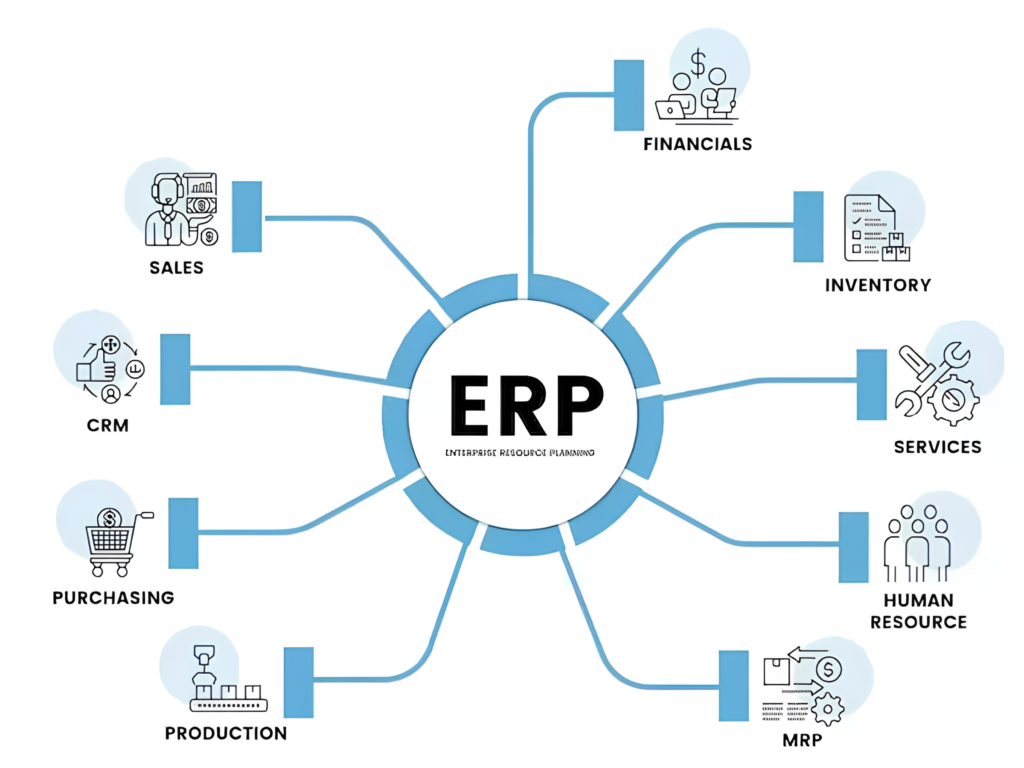
Choosing the right ERP system is an important decision for any growing business. An ERP solution plays a role in everyday operations, data management, employee productivity, reporting, and future growth. But choosing the software itself is only part of the process. Businesses also need to carefully consider the ERP vendor behind the system.
ERP vendor selection involves looking at factors such as the software’s features, the vendor’s industry experience, pricing, implementation support, security, scalability, and ongoing customer service. The right vendor should offer more than just the required features. They should also understand the business’s needs and be able to support the organization as those needs change over time.
What Is ERP Vendor Selection?
ERP vendor selection is the process of researching and comparing different ERP providers to find a solution that fits the needs of a business.
The process usually involves:
Identifying business requirements
Researching potential ERP vendors
Comparing software features and capabilities
Reviewing pricing and licensing options
Evaluating implementation and setup services
Checking customer support
Assessing security and scalability
Requesting product demonstrations
Reviewing the vendor’s industry experience
Making the final decision
Following a structured selection process helps businesses look beyond price or appearance and choose an ERP vendor based on the features, support, reliability, and long-term value the business actually needs.
Why ERP Vendor Selection Matters
An ERP system becomes part of many important areas of a business, so the relationship with the vendor often continues for years after the initial implementation.
A suitable ERP vendor can help businesses:
Improve day-to-day operational efficiency
Support business growth
Reduce repetitive manual work
Keep business data accurate and organized
Connect different departments and processes
Provide ongoing technical support
Adapt the system as business requirements change
On the other hand, choosing a vendor without carefully evaluating their capabilities can lead to problems with implementation, customization, technical support, and future upgrades. Taking the time to assess vendors properly can help businesses avoid these challenges.
Key Factors in ERP Vendor Selection
1. Business Requirements
The first step is to understand what the business actually expects from an ERP system. Identifying these needs early makes it easier to find a solution that fits the way the organization operates.
Depending on the business, requirements may include:
Finance and accounting
Inventory management
Sales management
Purchasing
Human resources
Manufacturing
Customer management
Reporting and analytics
Workflow automation
Document management
Having clear requirements gives businesses a consistent basis for comparing different ERP vendors and finding a solution that matches their needs.
2. Industry Experience
An ERP vendor with experience in your industry may already understand the workflows, regulations, and challenges that businesses like yours commonly face.
When evaluating vendors, it is useful to ask about:
Previous ERP projects
Similar businesses they have worked with
Industry-specific features and solutions
Their experience with implementations
Customer references and feedback
Working with a vendor that understands the industry can make it easier to explain business requirements and may help streamline the implementation process.
3. ERP Features and Functionality
Businesses should check whether the ERP system offers the features they actually need without making the system unnecessarily complicated.
Key areas to consider include:
Core ERP modules
Reporting and analytics
User management
Integration capabilities
Mobile access
Automation features
Customization options
Data management
Creating a simple feature checklist can make it easier to compare different ERP vendors and see which solutions match the business’s requirements.
4. Scalability
Business needs can change as a company grows, so the ERP system should be able to grow with it. Look for a solution that can support:
More users
Higher transaction volumes
Additional branches
New departments
New business processes
Multiple locations
Additional integrations
Choosing a scalable ERP can help businesses avoid replacing the entire system as their operations expand.
5. Implementation Support
ERP implementation involves several stages, including configuration, data migration, testing, employee training, and deployment. Before choosing a vendor, make sure you understand what implementation support is included.
Ask about:
Project planning
Data migration
System configuration
Integration
Testing
Employee training
Go-live support
A clear implementation plan can make the transition to a new ERP system more organized and manageable.
6. Pricing and Total Cost
The cost of an ERP system goes beyond its initial purchase price or subscription fee. Businesses should consider all the costs involved, including:
Software licensing
Subscription fees
Implementation
Customization
Integration
Training
Maintenance
Support
Future upgrades
Looking at the total cost gives businesses a clearer picture of the investment required over time.
7. Customer Support
Reliable customer support is important because employees may depend on the ERP system for their everyday work. Before choosing a vendor, find out how support is provided and what happens when an issue occurs.
Review:
Available support channels
Response times
Support hours
Service agreements
Technical assistance
Issue resolution process
Understanding the vendor’s support process beforehand can help avoid confusion when technical problems arise.
8. Security
ERP systems often store sensitive information, including financial records, customer details, employee data, and operational information. Businesses should therefore carefully review the vendor’s security practices.
Consider factors such as:
Access controls
Data encryption
Backup procedures
User permissions
Security monitoring
Data recovery processes
The security measures should be appropriate for the type and sensitivity of the information managed by the ERP system.
9. Customization Options
Every business has its own processes and requirements. While some needs can be handled through standard ERP features, others may require configuration or customization.
Check whether the ERP supports:
Custom fields
Custom workflows
Reports
Dashboards
Business rules
Integrations
Module configuration
The aim should be to get the functionality the business needs without adding unnecessary customization that could make the system difficult to manage.
10. Integration Capabilities
Businesses often rely on several applications alongside their ERP system. The ERP should be able to connect with the tools and platforms the organization already uses.
These may include:
Payment gateways
CRM platforms
E-commerce platforms
Banking systems
HR software
Shipping platforms
Business intelligence tools
Strong integration capabilities can help different systems work together and create a more connected technology environment.
Steps in the ERP Vendor Selection Process
A structured process can make ERP vendor selection easier.
Step 1: Define Business Goals
Identify the problems the ERP system should solve and the improvements the business expects.
Step 2: Create a Requirement List
Document essential features, preferred features, technical requirements, and future needs.
Step 3: Research Vendors
Shortlist vendors based on their products, experience, industry focus, and service capabilities.
Step 4: Request Demonstrations
Product demonstrations allow decision-makers to see how the ERP handles real business processes.
Step 5: Compare Vendors
Create a comparison based on functionality, pricing, implementation, support, security, and scalability.
Step 6: Review Contracts
Examine licensing terms, service agreements, implementation responsibilities, support terms, and additional costs.
Step 7: Select the Vendor
Choose the vendor that aligns with the documented business and technical requirements.
Step 8: Plan Implementation
After selection, establish timelines, responsibilities, training plans, testing procedures, and deployment milestones.
Common ERP Vendor Selection Mistakes
Businesses can run into problems when they rush through the ERP vendor selection process. Taking time to evaluate each option carefully can help avoid common mistakes such as:
Choosing a vendor based only on price
Overlooking future business requirements
Not properly testing the ERP software
Failing to evaluate customer and technical support
Missing important integration requirements
Not considering the full cost of implementation
Overlooking the needs of employees who will use the system
Skipping a careful review of contracts and agreements
Paying for features that the business does not actually need
A thorough evaluation helps businesses understand what each vendor offers and reduces the chances of facing unexpected problems later.
Benefits of a Structured ERP Vendor Selection Process
A structured ERP vendor selection process can make the decision clearer and more manageable. It can help businesses achieve:
Better alignment with their actual business needs
A clearer understanding of overall costs
Easier comparison between different vendors
Lower implementation risks
Better preparation for future requirements
Greater employee acceptance of the new system
A clearer view of each vendor’s capabilities
Having a defined evaluation process also gives decision-makers a consistent way to compare ERP providers and choose a solution based on the factors that matter most to the business.
Questions to Ask an ERP Vendor
Before making a final decision, businesses should ask potential ERP vendors a few important questions to understand whether the solution is a good fit.
Does the system support the business processes we need?
Which industries and types of businesses do you typically work with?
What services are included in the implementation?
How is the pricing structured?
What kind of support is available after deployment?
Can the system grow as the business expands?
Which integrations are supported?
How is business data protected?
What customization options are available?
How often is the software updated?
Getting clear answers to these questions can help businesses spot potential gaps, unexpected costs, or limitations before implementation begins.
ERP Vendor Selection for Growing Businesses
Growing businesses need an ERP solution that can keep up as their operations expand and become more complex. The vendor should be able to support additional users, locations, processes, integrations, and reporting needs as the business grows.
Rather than looking only at what the business needs today, it is important to think about future requirements as well. Considering where the organization expects to be in the coming years can help businesses choose an ERP platform that remains useful and adaptable as they grow.
Future of ERP Vendor Selection
ERP selection is changing as businesses increasingly rely on cloud platforms, automation, artificial intelligence, mobile applications, integrations, and data analytics.
Companies are also looking more closely at flexible pricing, ease of use, cybersecurity, and regular software updates when comparing ERP solutions.
As ERP technology continues to evolve, businesses will need to look beyond the software itself. The vendor’s ability to provide ongoing support and help the organization adapt to new technologies will also become an important part of the selection process.
Conclusion
ERP vendor selection is an important step when building a reliable business management system. Businesses should look at more than just the software’s features. Factors such as industry experience, implementation services, scalability, pricing, security, integrations, customization, and ongoing support should also be considered.
A structured evaluation process makes it easier to compare different options and understand what each vendor offers. By considering both current needs and future plans, businesses can choose an ERP vendor that can support their growth and changing requirements over time.